Introduction
Seo metrics :Search engine optimization (SEO) is not a thing anymore where one just adds a lot of keywords or gets backlinks. It is purely based on data and performance — knowing what works, changing what doesn’t, and proving your SEO results through real business impacts.
If dominating search results is your goal, then tracking the correct SEO metrics is a must. They are not just numbers that make you feel good; they actually indicate whether your audience helps you and whether your business is growing by using your content, keywords, and links.
We will discuss the ten SEO metrics that you should never miss in this guide—along with how to monitor, understand, and enhance them.
1. Organic Traffic Quality
Getting traffic is easy. Getting relevant traffic is what matters.
Organic traffic quality measures how many right-fit visitors are coming to your website from search engines — people genuinely interested in your products or services.
If you’re ranking for irrelevant keywords, you might get visitors but no conversions. That’s why this metric focuses on intent and engagement, not just numbers.
How to Track:
To analyze traffic from different sources in GA4, the first step is going to the respective section, namely, Acquisition→Traffic→Organic. The users are then segmented into groups based on conversion events such as—form submissions, phone calls, or sales.
In case, a lot of traffic is detected but the number of conversions is still scanty, it is the right time to fine-tune your keyword targeting and content intent.
2. Keyword Rankings (by Intent)
Tracking your keyword rankings is still essential — but in 2025, it’s all about search intent segmentation.
There are 3main different types of keywords:
- Informational (how-to guides, definitions)
- Navigational (brand or website searches)
- Transactional (buy, subscribe, book)
Monitoring these separately helps you identify content gaps and opportunities across the entire buyer’s journey.
How to Track:
There are different ways track this but we mainly suggest to Use this tools SEMrush, Ahrefs, or Google Search Console. Look for trends like rising keywords, dropping keywords, and newly discovered ones.
Pro Tip:
Don’t just chase high-volume keywords — aim for low competition, long-tail keywords like “best SEO metrics for 2025 small business.” These bring higher intent traffic and are easier to rank for.
3. Click-Through Rate (CTR)
Your CTR tells you how many people click on your page after seeing it in search results. We can see this CTR in google search console . A low CTR means your page title or meta description isn’t grabbing attention — even if you rank high.
Why It Matters:
A compelling meta title and description can dramatically increase organic clicks — without changing your ranking.
How to Track:
In Google Search Console → Performance → Queries, view your CTR percentage per keyword or page.
Pro Tip:
If you want to get the high CTR for your website follow this, Add emotional or power words in your titles (like “Proven,” “Powerful,” or “2025 Guide”) to boost CTR. Use schema markup for rich snippets to attract more attention.
📖 Also Read
7 Types of SEO Keywords You Should Know4. Bounce Rate vs Engagement Rate
A high bounce rate signals users leave quickly — meaning your content is not match the user intern or your site is visible on different keywords also this way you get high bounce rate .On the other hand, a high engagement rate means visitors are staying longer, scrolling, and interacting with your content.
How to Track:
In GA4 → Engagement → Engagement Rate & Bounce Rate, analyze pages with poor engagement and fix them with better visuals, internal links, or clearer CTAs.
Pro Tip:
Enhance your internal linking structure — it keeps visitors exploring your site longer. Use contextual links like:
“Learn how we improved client engagement in our digital marketing case studies.”
5. Pages per Session
This metric measures how many pages a visitor views during a single visit. The more pages they explore, the more your site design, structure, and content encourage engagement.
Why It Matters:
A higher Pages per Session means your content flow is strong, your topics are interlinked, and users find your website valuable.
How to Track:
In GA4, go to Engagement → Pages per Session and compare organic sessions versus total sessions.
Pro Tip:
Use clear navigation, internal linking, and related posts at the end of each article.
6. Core Web Vitals
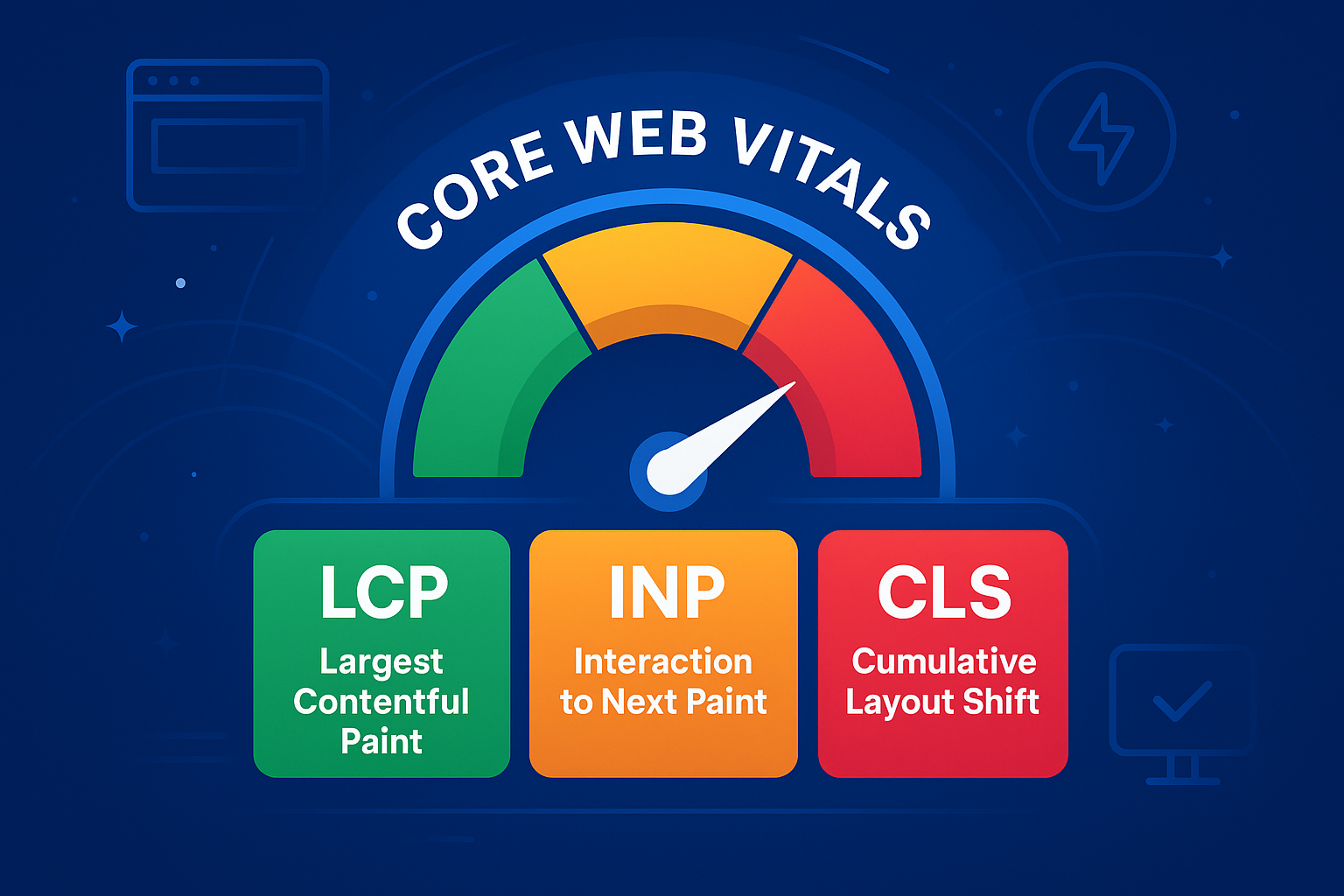
These are the main important points to ranking your site in mobile and mobile friendly.Google’s Core Web Vitals directly impact your SEO rankings. These metrics focus on page speed, interactivity, and visual stability — all essential for user experience (UX).
Metrics Include:
- LCP (Largest Contentful Paint) – measures load speed
- FID (First Input Delay) – measures responsiveness
- CLS (Cumulative Layout Shift) – measures layout stability
How to Track:
Use PageSpeed Insights or Google Search Console → Core Web Vitals Report.
Pro Tip:
Compress images, enable caching, and use a reliable hosting provider. Mobile-friendly and fast-loading websites rank better and retain visitors longer.
7. Mobile Usability
With more than 70% of searches happening on mobile devices, mobile usability is non-negotiable. If your site isn’t mobile-friendly, you’ll lose rankings and potential leads.
How to Track:
Use Google Search Console → Mobile Usability Report or PageSpeed Mobile Test to identify issues.
8. Backlink Quality
Backlinks are still one of Google’s strongest ranking signals — but quality now outweighs quantity. In 2025, a few high-authority, niche-relevant backlinks can outperform hundreds of weak ones.
How to Track:
Use Ahrefs, Moz Link Explorer, or SEMrush to monitor domain authority, referring domains, and anchor text diversity.
9. Indexed Pages & Crawl Errors
If your pages aren’t indexed, they can’t rank. Tracking indexed pages ensures Google is seeing your content properly. Crawl errors signal issues blocking search engines from accessing your site.
How to Track:
In Google Search Console → Indexing → Pages, check for excluded URLs or crawl errors.
10. Conversion Rate from Organic Traffic
The ultimate goal of SEO is conversions — not just clicks. This metric shows how many organic visitors complete meaningful actions (sign-ups, calls, purchases, etc.).
How to Track:
In GA4 → Conversions, set up events for each goal type.
Pro Tip:
A/B test your landing pages, CTAs, and headlines. Align SEO and conversion optimization to prove ROI to clients or stakeholders.
Bonus Tip: Combine Metrics for Complete Insights
Every single metric reveals some part of your performance to search engines — while the combination of all metrics shows the whole picture of your SEO performance. .
For example:
- Low CTR + High Impressions = change titles/meta
- High Bounce Rate + Low Pages per Session = poor content structure
- High Traffic + Low Conversions = Audience not targeted correctly
If you keep track of and optimize the ten essential SEO metrics, you will create an even more powerful, faster, and more profitable digital presence in the year 2025.
FAQs About SEO Metrics 2025
Q1. What are the most important SEO metrics to track in 2025?
The top metrics include organic traffic quality, keyword rankings, CTR, engagement rate, Core Web Vitals, mobile usability, backlink quality, and conversion rate from organic.
Q2. How often should I monitor SEO metrics?
Check critical metrics weekly (CTR, rankings, traffic) and in-depth metrics (conversions, backlinks, Core Web Vitals) monthly.
Q3. What tools help track SEO metrics effectively?
There are so many tools available currently but we recommend to ue this Google Analytics 4, Google Search Console, Ahrefs, SEMrush, and PageSpeed Insights for comprehensive tracking.
Q4. How do I improve my SEO performance quickly?
Enhance loading speed, refine meta tags, acquire good backlinks, and produce the best content that complies with user intent.
Q5. Why is conversion tracking essential for SEO?
The count of conversions you monitor gives your ultimate ROI.
Final Thoughts
SEO in 2025 is smarter, faster, and more user-focused than ever. If you track and optimize these 10 SEO metrics, you’ll not only improve your rankings but also ensure your SEO contributes directly to business growth.