Introduction
Technical SEO Tools :In the fast-paced world we live in, SEO has advanced beyond the realm of good content writing and link building. Among these, technical SEO stands out as a gamechanger. Think of it as the foundation of a house: Without a firm base, no matter how pretty the design is, the structure will eventually fall.
For any business or blogger or even an online marketer in 2025, technical SEO has become more relevant than ever. Google ranks pages based on hundreds of ranking factors, but if your website loads slowly, is not easy to crawl, or is not mobile-friendly, its chances of ranking on the top are slim. Herein lies the need for technical SEO tools. They assist in discovering hidden problems, keep track of performance, and keep the site healthy for better search performance.
We would delve into what technical SEO is, why it matters, and the 9 best tools you can use in 2025 for your SEO kick.
What is Technical SEO?
Technical SEO refers to a portfolio of activities and implementations proving that search engines can easily crawl, index, and rank your content. While on-page emphasizes keywords and content and off-page concentrates on links, technical ensures that the site goes through a constructive program in such a way that it could rank in search engines.
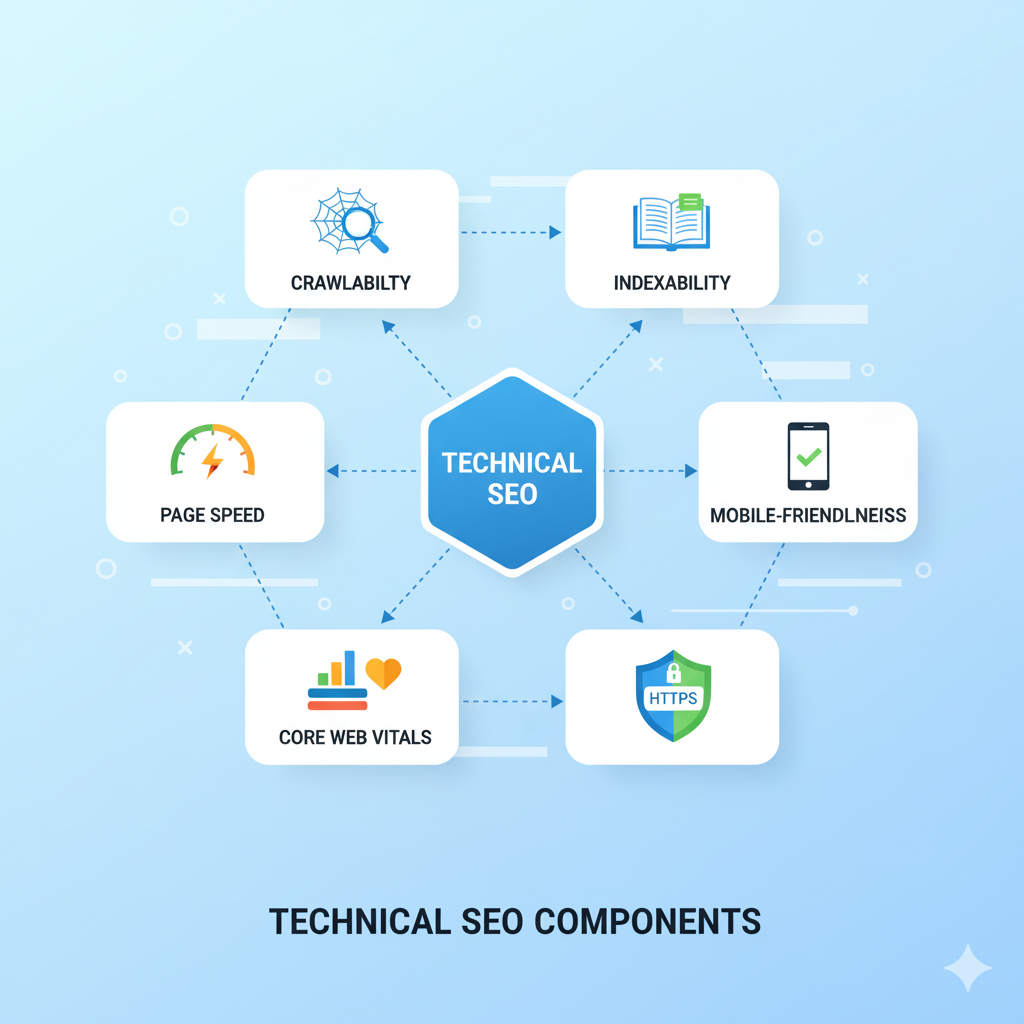
Key elements of technical SEO include:
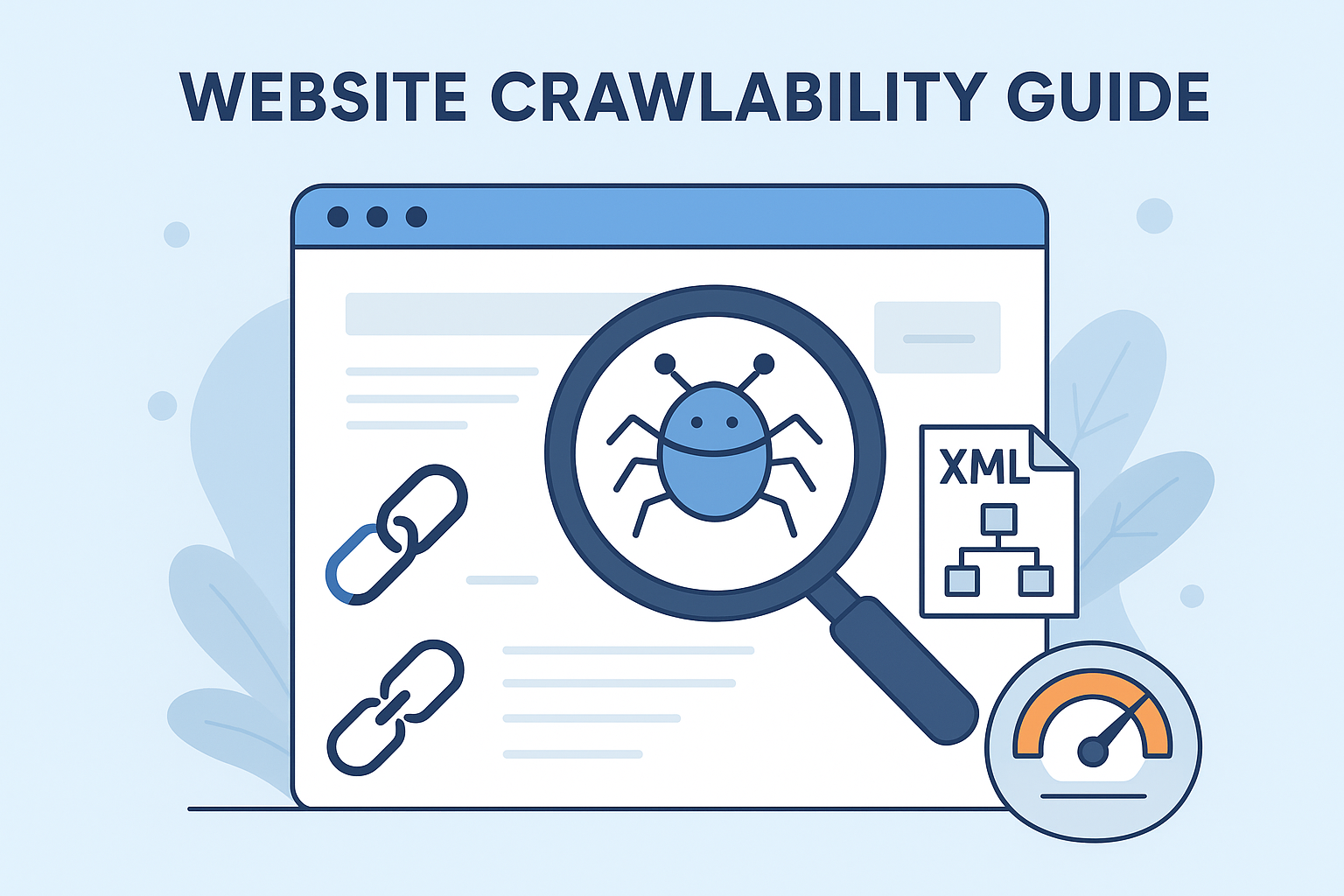
- Crawlability – after publish your content search engine bots will come and collect this data, but you have to submit this link in gsc bots will fastly crawl your site.
- Indexability – Ensuring the right pages appear in search results.
- Page speed – Faster sites rank and convert better.
- Mobile-friendliness – With Google’s mobile-first indexing, this is a must.
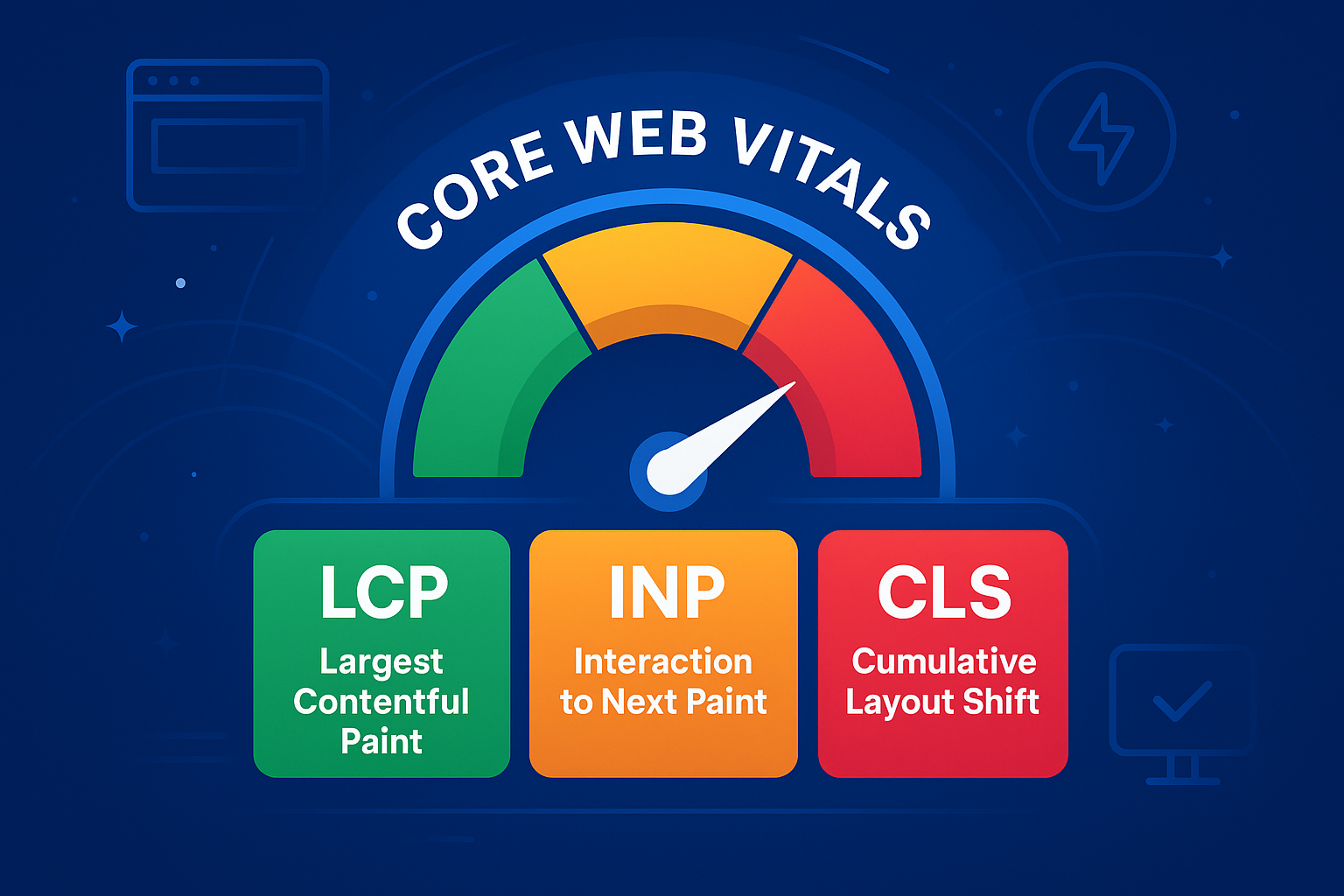
- Core Web Vitals – Metrics that measure user experience like loading, interactivity, and stability.
- HTTPS – A secure connection is a trust and ranking factor.
.
Why Technical SEO Tools Are Essential in 2025
With AI, voice search, and user experience becoming central to Google’s algorithms, relying only on manual checks is not enough. Websites today are more complex, featuring dynamic content, scripts, and multiple integrations. A small error in coding or server setup can affect thousands of pages.
Here’s why technical SEO tools are a must in 2025:
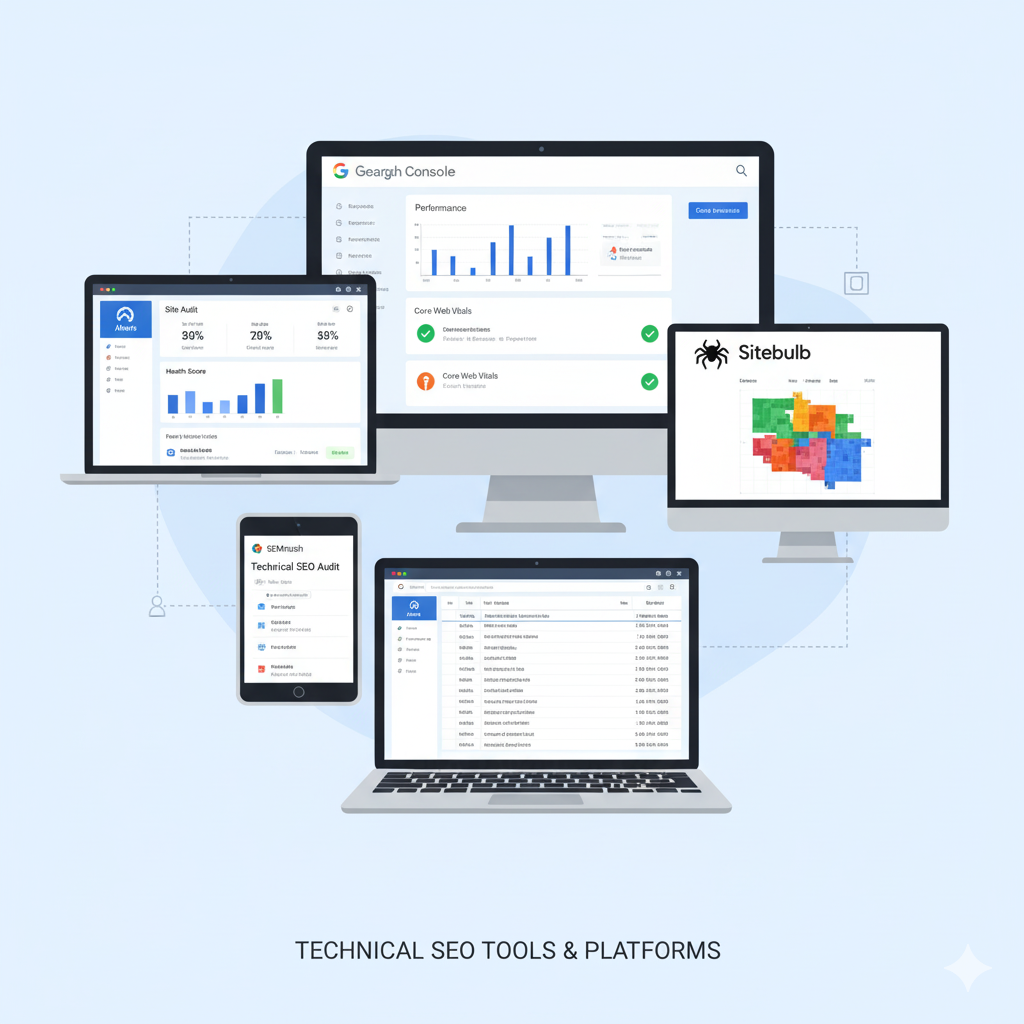
- They automate audits and catch issues you may miss.
- Provide data-driven insights to improve site performance.
- Help you track Core Web Vital and mobile usability.
- Save your time highlighting broken links and duplicate content, as well crawl errors.
- Make sure your website is ready to be ranked by AI-driven search engines.
- Basically, technical SEO tools provide this X-ray vision for making the site friendly to searches.
9 Best Technical SEO Tools to Use in 2025
Now we will discuss one by one tool in clearly
1. Google Search Console
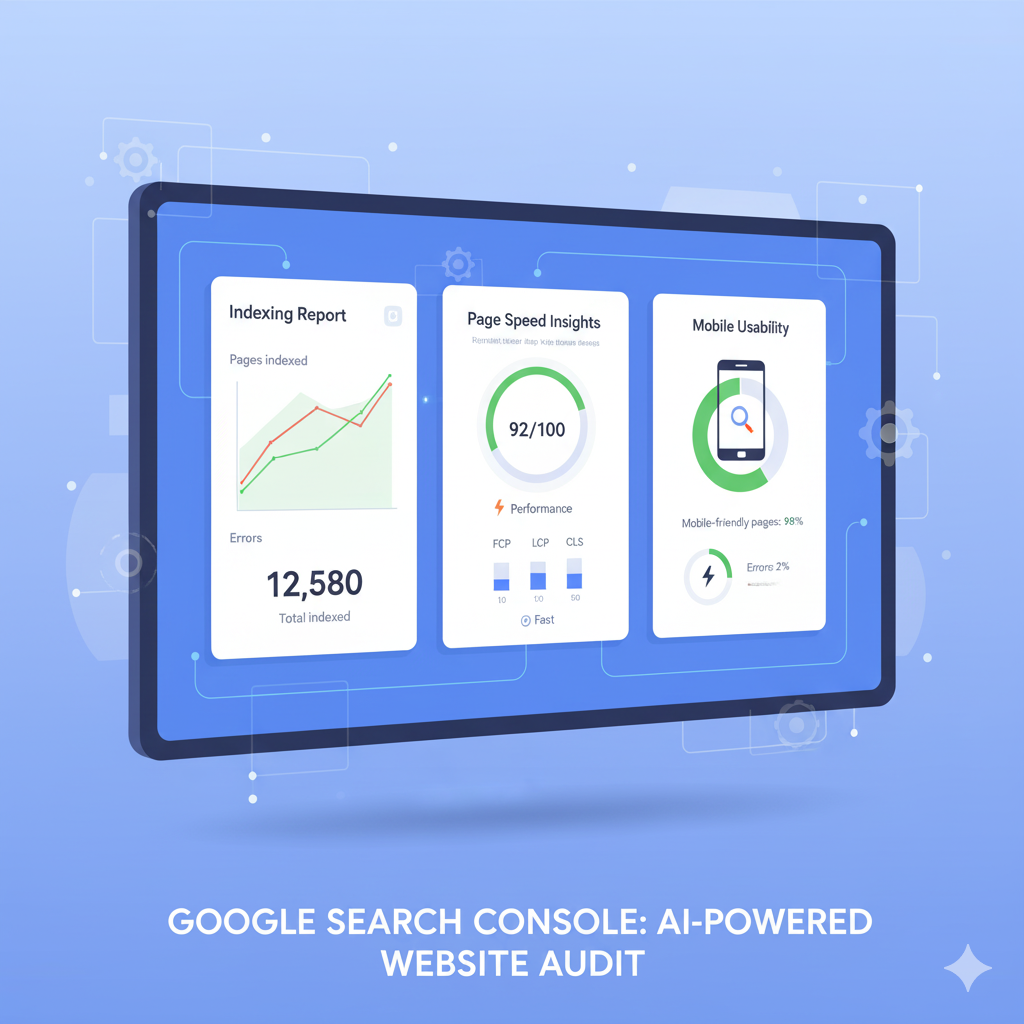
Google Search Console (GSC) is a free tool from Google that helps you to the monitor how your website performs in google . It shows you indexing issues, crawl errors, and keyword performance, sitemap, page speed insights, links and etc..
Key Features:
- Index coverage reports to track pages in Google.
- Performance data (clicks, impressions, CTR).
- Mobile usability checks.
- Sitemap submission for faster indexing.
Why it matters in 2025:
GSC is the most direct way to see how Google views your site. With search becoming more AI-driven, this data is crucial for spotting problems early and staying ahead of competitors.
2. Sitebulb
Sitebulb is an advanced audit tool that makes technical SEO easy to understand with visual reports.
Key Features:
- Crawl maps that show how search engines see your site.
- Duplicate content detection.
- Security and HTTPS checks.
- Clear, beginner-friendly reports.
Why it matters in 2025:
Its visual interface makes it easier for SEO beginners and agencies to explain site health to clients.
3. Ahrefs Site Audit
Ahrefs is widely known for backlinks, but its Site Audit tool is just as powerful.
Key Features:
- Detects broken links and redirects.
- Tracks site health scores over time.
- Finds thin content and crawl errors.
- Integrates with other Ahrefs data like backlinks.
Why it matters in 2025:
With constant algorithm changes, Ahrefs helps keep both technical and off-page SEO aligned.
4. Screaming Frog SEO Spider
This tool is a classic among SEO professionals. Screaming Frog crawls websites just like a search engine.
Key Features:
- Identifies broken links and redirects.
- Finds duplicate titles, meta descriptions, and headers.
- Analyzes internal linking structure.
- Customizable data exports.
Why it matters in 2025:
Even in the age of AI, Screaming Frog remains one of the most detailed crawlers for large and complex sites.
5. DeepCrawl
DeepCrawl is built for enterprises with massive websites.
Key Features:
- Scans millions of pages.
- Finds thin or duplicate content.
- Monitors site migrations.
- Advanced reporting for teams.
Why it matters in 2025:
For eCommerce and media sites with thousands of pages, DeepCrawl ensures nothing slips through the cracks.
6. SEMrush Site Audit
SEMrush is an all-in-one SEO suite, and its Site Audit tool is a gem.
Key Features:
- Crawlability and HTTPS checks.
- Internal linking audits.
- On-page SEO insights.
- AI-based suggestions.
Why it matters in 2025:
It combines technical checks with keyword and competitor analysis, making it a full SEO powerhouse.
7. GTmetrix
GTmetrix is a speed and performance analysis tool.
Key Features:
- Page load speed tests.
- Core Web Vitals monitoring.
- Suggestions for faster loading.
- Global test servers for worldwide performance.
Why it matters in 2025:
Google prioritizes user experience, and speed is at the heart of it. GTmetrix shows exactly where you need improvements.
8. Google PageSpeed Insights
This free tool from Google measures speed and usability.
Key Features:
- Core Web Vitals scores (LCP, FID, CLS).
- Mobile and desktop performance reports.
- Actionable optimization tips.
Why it matters in 2025:
It gives direct feedback from Google’s perspective, making it essential for rankings.
9. Pingdom
Pingdom focuses on uptime and reliability.
Key Features:
- Monitors site uptime worldwide.
- Tracks speed bottlenecks.
- Alerts when your site goes down.
- Detailed performance history.
Why it matters in 2025:
Users expect 24/7 availability. Even a few minutes of downtime can harm SEO and conversions.
How to Choose the Right Technical SEO Tool
Choosing the right tool depends on your needs:
- Small businesses/bloggers: Google Search Console, PageSpeed Insights, GTmetrix.
- Agencies: Sitebulb, SEMrush, Screaming Frog.
- Large enterprises: DeepCrawl, Ahrefs Site Audit, Pingdom.
Always start with free tools, then upgrade to paid ones if needed.
Best Practices for Using Technical SEO Tools
Having tools isn’t enough—you must use them effectively.
- Run regular audits – At least once a month.
- Track Core Web Vitals – These directly affect rankings.
- Fix crawl errors quickly – Broken links hurt both SEO and user experience.
- Submit updated sitemaps – Keeps Google informed about your latest content.
- Optimize for mobile-first – Test across devices.

The Future of Technical SEO (2025 & Beyond)
The SEO landscape is shifting fast. Here’s what to expect:
- AI-driven SEO – Tools will use AI to predict issues before they happen.
- Voice search optimization – Technical SEO will adapt to natural language queries.
- Automation – Regular audits and fixes may become automated.
- Visual search readiness – Image optimization will gain more weight.
Conclusion
Technical SEO is the base of building a successful online presence. Without it, even the best content could remain invisible. A good technical setup in 2025 involving Google Search Console, Sitebulb, Ahrefs, Screaming Frog, DeepCrawl, SEMrush, GTmetrix, PageSpeed Insights, and Pingdom will forge solid websites. In any case, you are an individual blogger to a business or an organization, investing time in technical SEO will ensure good rankings, better user experience, and growth in the long run. Remember, SEO is not just about traffic, but it is also about trust, speed, and accessibility for your user. Strong technical SEO will only ensure that your site will be ready for the future of search.