
Introduction
Table of Contents
ToggleIn today’s digital world, making your brand visible to the correct audience, Search Engine Optimization (SEO) has become one of the most important skills for businesses, bloggers, and marketers. Whether you are running an eCommerce store, managing a corporate website, or building your personal blog, and whether your portfolio website also, SEO plays a crucial role in getting organic traffic, increasing brand visibility, and improving conversions.
Unlike paid advertising, SEO helps you attract consistent traffic without continuously spending money. However, mastering SEO requires understanding its fundamentals, strategies, tools, and best practices.
In this ultimate 2025 guide, we will cover everything you need to know about SEO—from the basics to advanced strategies.
What is SEO?
SEO stands for Search engine Optimization, is the process of optimizing a website to improve your website or business or social media visibility on search engines like Google, Bing, and Yahoo. The goal of SEO is to rank higher in search engine results pages (SERPs) for relevant keywords so that users can find your website easily.
When someone searches for a term like “best digital marketing agency” or “how to bake a cake”, search engines analyze billions of web pages to display the most relevant results. If your website is optimized with the right keywords, content, and technical setup, it has a higher chance of ranking.
How Do Search Engines Work?
Search engines like Google follow these steps:
-
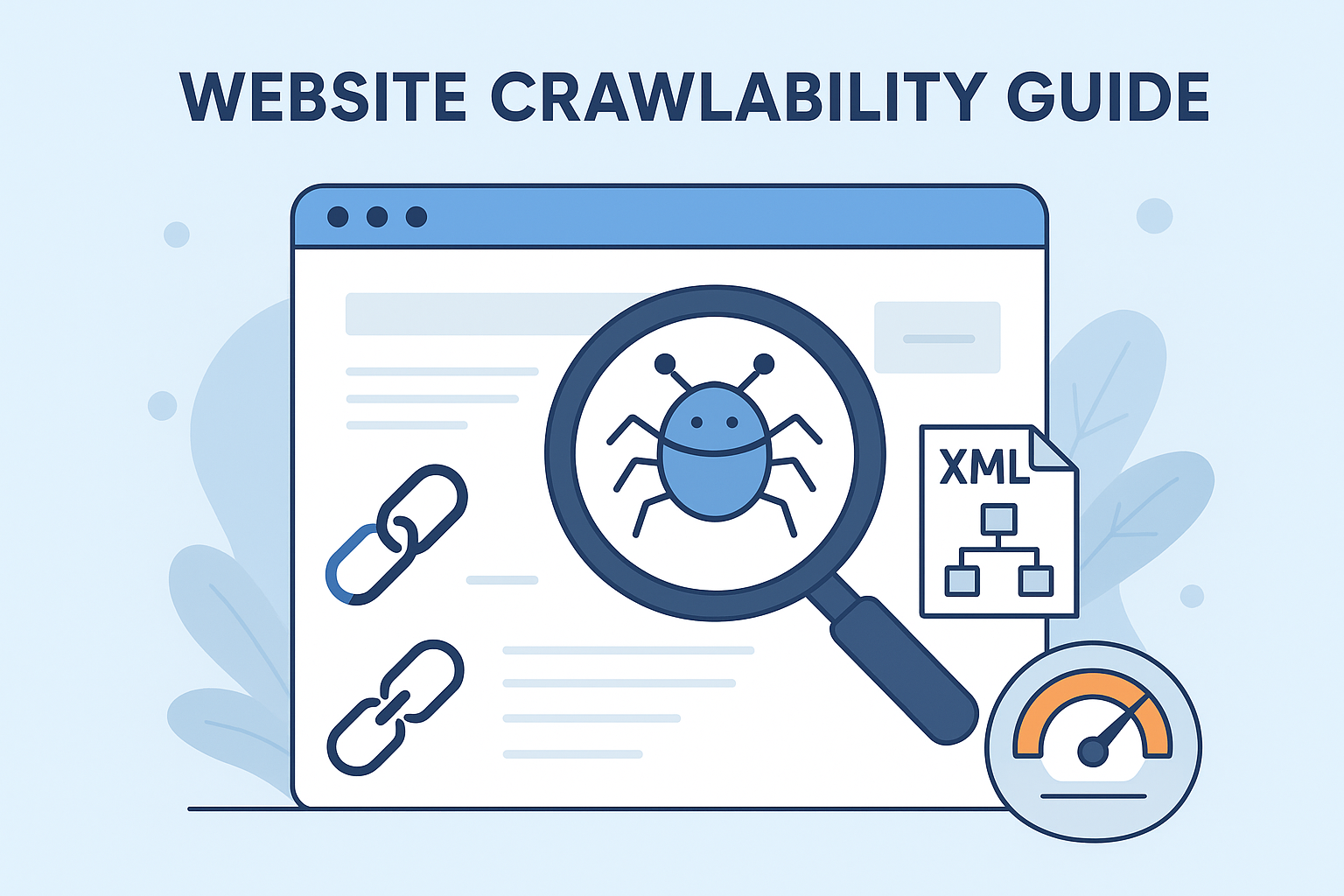
- Crawling – Collecting the data by using Bots (spiders) that scan websites and discover new pages.
-
- Indexing – Pages are stored in the search engine database.
-
- Calculating Relavency: it means after collecting data and storing it in a database, if anyone searches on Google, it will calculate ranking factors like domain age, relevance, content length, keywords, etc.. after collecting all the pages relevant to this.
-
- Ranking – Algorithms determine which page is most relevant to the user’s query.
Factors like keywords, backlinks, content quality, and page experience influence how your site ranks.
Why is SEO Important in 2025?
-
- Organic Traffic is Free and Sustainable – Unlike PPC ads, SEO doesn’t require you to pay per click. Once you rank, you can enjoy consistent traffic.
-
- Higher Credibility and Trust – Users trust organic results more than ads. A high-ranking website builds authority and brand trust.
-
- Improves User Experience – Modern SEO is not just about keywords; it’s about fast websites, mobile optimization, and great user experiences.
-
- Local and Voice Search Growth – With smartphones and smart speakers, optimizing for local SEO and voice SEO is more important than ever.
-
- Competitive Advantage – Your competitors are investing in SEO. If you ignore it, you risk losing traffic, leads, and revenue.
Types Of Seo
To master SEO, you need to understand its three main categories:
1. On-Page SEO
On-Page SEO involves changes made directly on your website pages. Examples include:
Using primary keywords in title tags, meta descriptions, and headings.
Writing high-quality content that is friendly to SEO.
Optimizing images with alt text.
Creating internal links to related pages.
2. Off-Page SEO
Off-Page SEO focuses on building authority and trust through external signals. Key practices include:
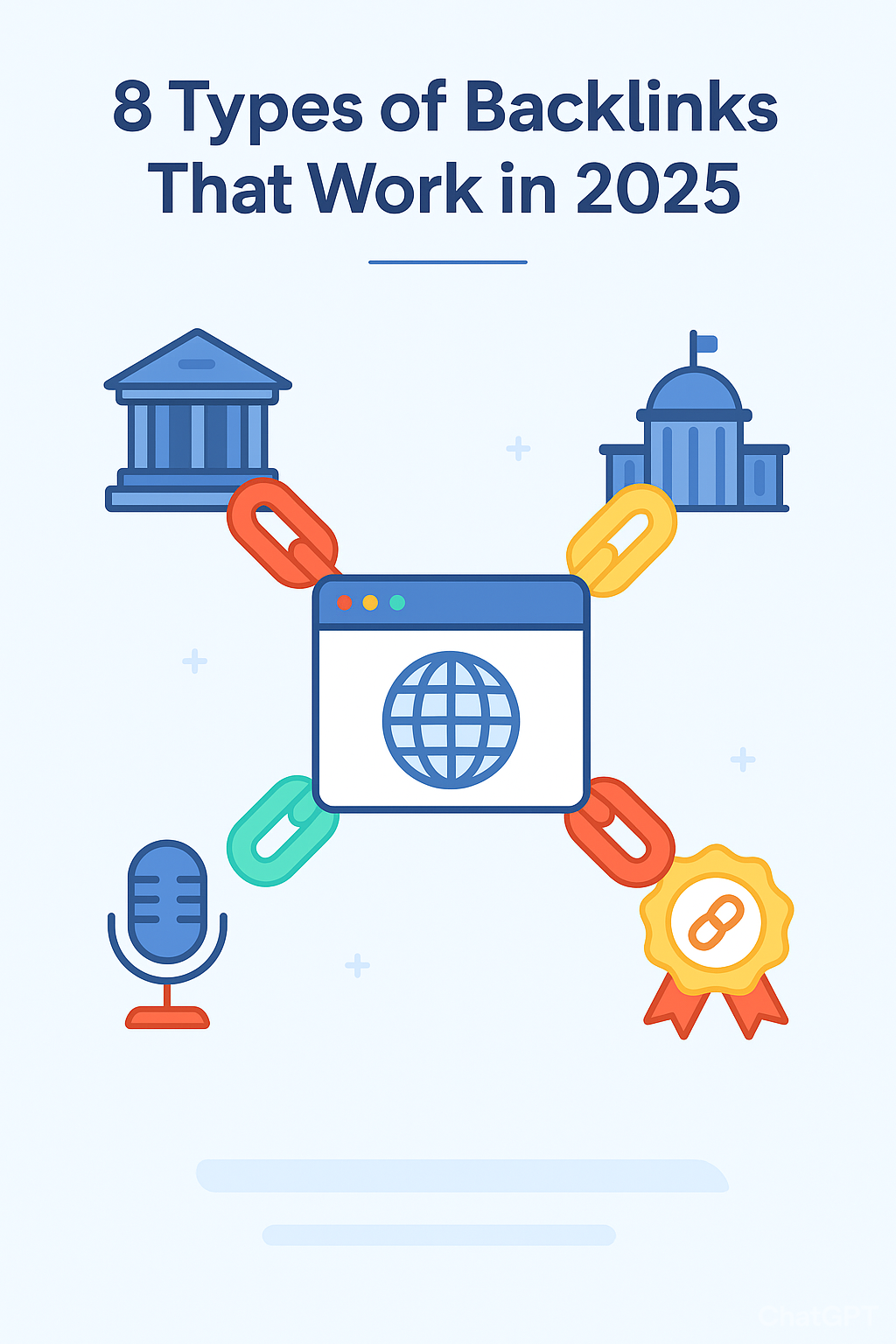
Building backlinks from authoritative websites.
Engaging on social media.
Getting brand mentions across the web.
Doing guest blogging and influencer marketing.
3. Technical SEO
Technical SEO makes sure that search engines can crawl and index your website correctly. It includes:
Improving site speed.
Using designs that are mobile-friendly.
Fixing broken links and crawl errors.
Implementing structured data.
Submitting XML sitemaps.
Keyword Research: The Foundation of SEO
If SEO is a building, keywords are the foundation. Without targeting the right keywords, your content won’t reach the right audience.
Steps for Keyword Research:
-
- Identify Seed Keywords – Example: “SEO tools”, “best hosting providers”.
-
- Use Tools – Google Keyword Planner, SEMrush, Ahrefs, and Ubersuggest.
-
- Check Search Intent – Is the keyword informational, navigational, or transactional?
-
- Analyze Competition – Low-competition keywords give faster results.
-
- Use Long-Tail Keywords – Example: Instead of “SEO,” target “best SEO strategies for beginners in 2025.”
On-Page SEO Best Practices
- Optimize your title tags (use keywords at the beginning).
- Write compelling meta descriptions with keywords.
- Use H1, H2, H3 headings strategically.
- Maintain keyword density (1–2%) naturally.
- Add internal links to relevant blog posts.
- Optimize images with alt tags.
- Improve readability with short paragraphs, bullet points, and active voice.
Off-Page SEO Strategies
Off-page SEO is all about building trust and authority outside your website.
- Backlinks – Focus on quality, not quantity. A single backlink from Forbes is more powerful than 100 low-quality links.
- Guest Posting – Publish on authority websites in your niche.
- Social Signals – Share content on social media to drive engagement.
- Influencer Outreach – Collaborate with influencers for mentions.
- Business Directories – Submit your site to relevant directories.
Technical SEO Checklist
- Ensure fast loading speed (under 3 seconds).
- Make your site mobile-friendly (Google uses mobile-first indexing).
- Install an SSL certificate (HTTPS).
- Use canonical tags to avoid duplicate content.
- Submit an XML sitemap to Google Search Console.
- Use robots.txt to guide crawlers.
- Implement schema markup for rich snippets.
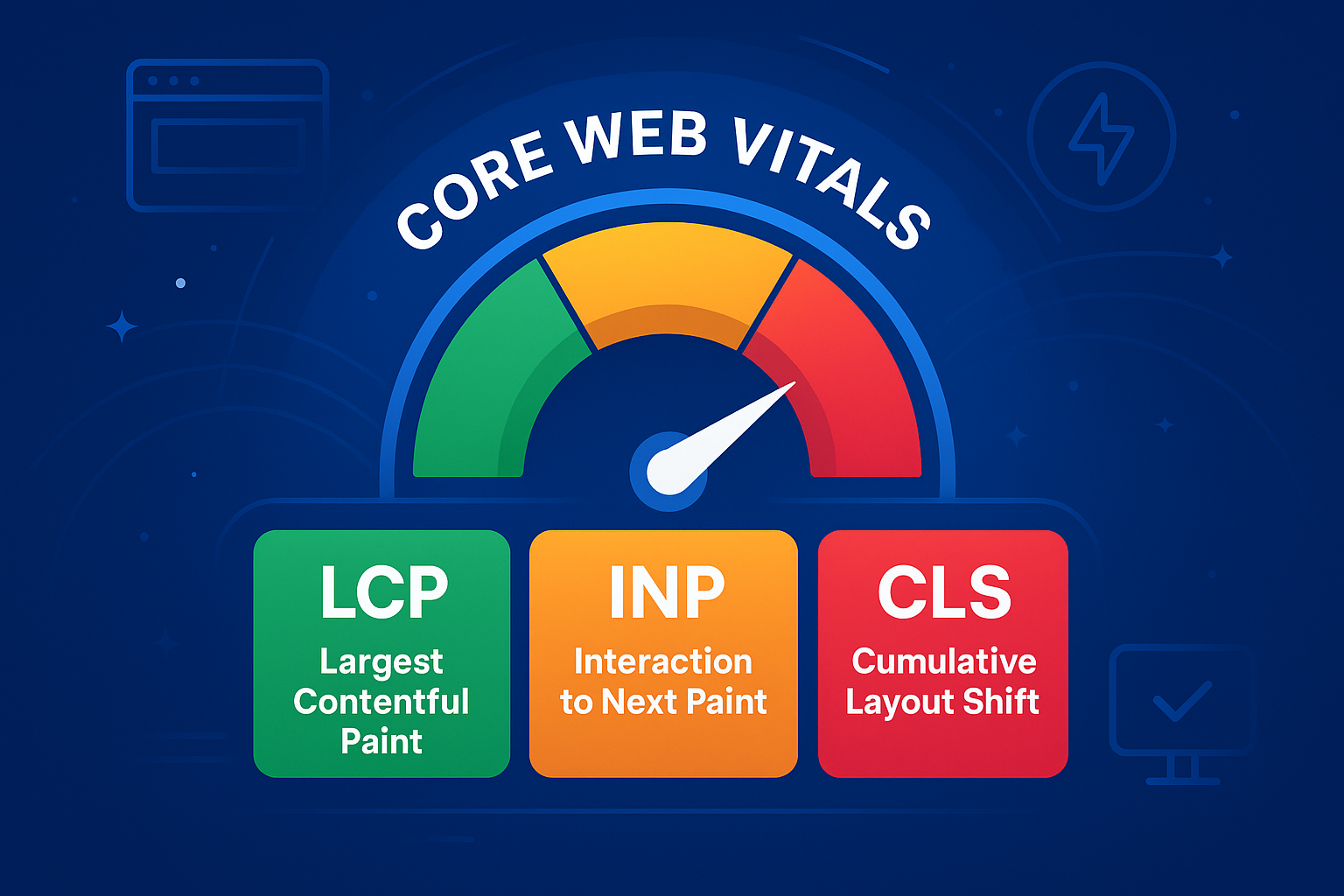
Core Web Vitals (Google’s User Experience Signals)
Google emphasizes page experience through three key metrics:
- LCP (Largest Contentful Paint) – Measures loading performance.
- FID (First Input Delay) – Measures interactivity.
- CLS (Cumulative Layout Shift) – Measures visual stability.
Improving these will boost both rankings and user satisfaction.
Local SEO in 2025
If you run a business targeting a specific location, Local SEO is critical.
- Create and optimize a Google Business Profile.
- Add NAP (Name, Address, Phone Number) consistently across directories.
- Get reviews from local customers.
- Use location-based keywords (e.g., “SEO agency in Hyderabad”).
- Build local backlinks from regional blogs and websites.
Voice Search & AI in SEO
With the rise of smart assistants like Alexa, Siri, and Google Assistant, voice SEO is booming.
- Optimize for conversational queries.
- Use question-based keywords like “What is SEO?”
- Improve mobile performance since most voice searches come from smartphones.
Additionally, AI-powered algorithms like Google’s RankBrain and BERT are changing how search engines understand content. Writing for user intent is more important than stuffing keywords.
Content Marketing & SEO
“Content is King,” but in 2025, content + SEO = success.
Tips for SEO-friendly content writing:
- Create long-form content (2000+ words).
- Update old blog posts regularly.
- Use visuals, infographics, and videos.
- Focus on E-E-A-T (Experience, Expertise, Authoritativeness, Trustworthiness).
- Add FAQs with schema to capture featured snippets.
Common SEO Mistakes to Avoid
- Keyword stuffing.
- Buying spammy backlinks.
- Ignoring mobile optimization.
- Duplicate content issues.
- Forgetting about user experience.
Best SEO Tools in 2025
- Google Search Console – Monitor performance and indexing.
- SEMrush / Ahrefs – Keyword research and competitor analysis.
- Yoast SEO / Rank Math – On-page SEO plugins for WordPress.
- Screaming Frog – Technical SEO audits.
- Ubersuggest – Free keyword research.
Future of SEO
SEO is evolving rapidly with AI, machine learning, and personalization. In the future, expect:
- More focus on voice and visual search.
- AI-driven ranking algorithms.
- Greater importance on user experience and intent.
- Integration of SEO with social media and video marketing.
Conclusion
SEO is not a one-time task—it’s a long-term investment. By mastering on-page, off-page, and technical SEO, along with content optimization and user experience, you can dominate search rankings in 2025 and beyond.
Remember: The key is to provide value to users. If you create content that truly helps people, search engines will reward you with visibility, traffic, and authority.
Frequently Asked Questions (FAQs) About SEO
1. What is SEO in simple words?
SEO (Search Engine Optimization) is the process of improving a website so that it appears higher in search engine results like Google. The goal is to get more organic traffic without paying for ads.
2. How long does it take to see results from SEO?
SEO is a long-term strategy. On average, it takes 3 to 6 months to see noticeable improvements, depending on your competition, content quality, and backlink profile.
3. What are the most important ranking factors in SEO?
Some of the key ranking factors include:
-
High-quality and relevant content.
-
Backlinks from trusted websites.
-
Mobile-friendliness.
-
Page loading speed.
-
Core Web Vitals (LCP, FID, CLS).
4. Is SEO better than paid advertising (PPC)?
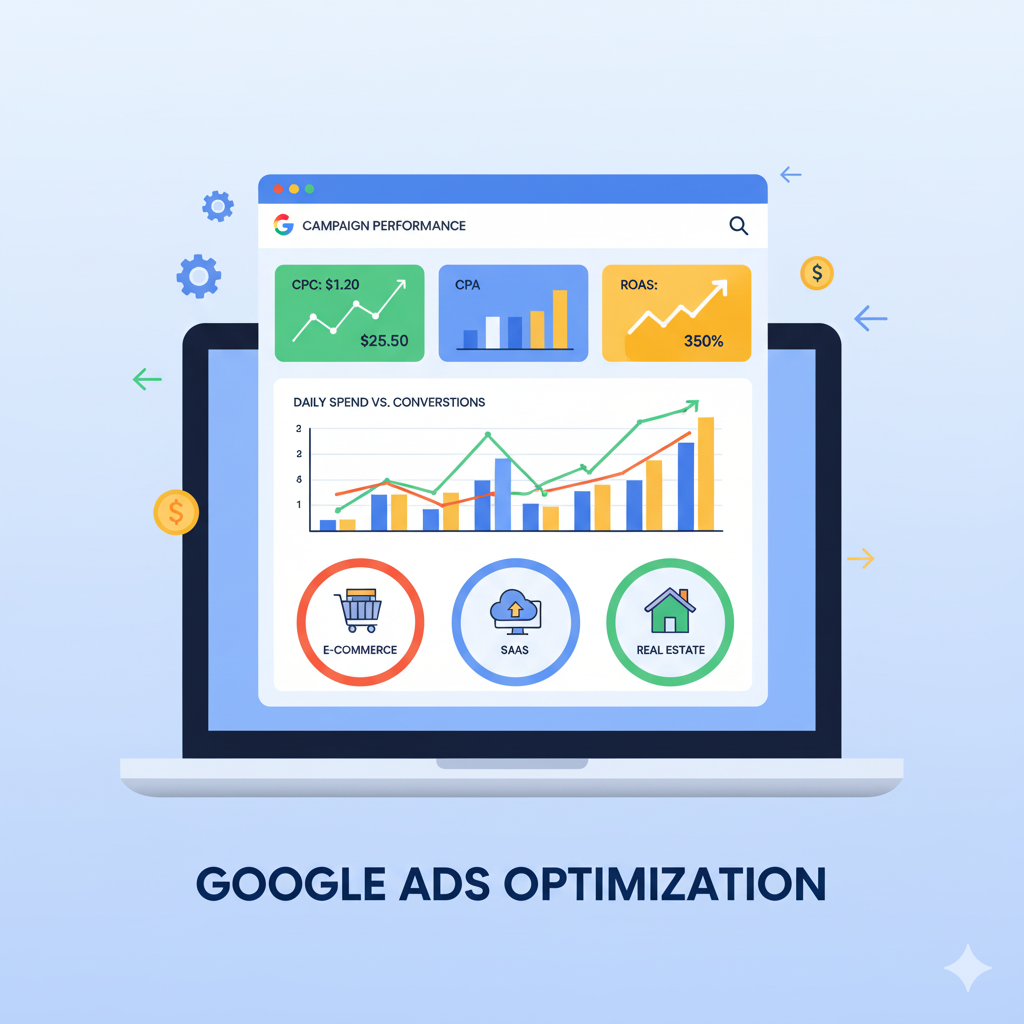
Both have advantages. SEO provides long-term organic traffic and builds authority, while PPC offers instant visibility but requires continuous investment. A mix of both often works best.
5. Do I need to hire an SEO expert for my website?
If you are new to SEO, hiring an expert can save time and prevent mistakes. However, with the right SEO tools, guides, and consistent practice, beginners can also learn and implement SEO strategies effectively.
6. What is the difference between on-page and off-page SEO?
-
On-page SEO: Optimizations made directly on your website (keywords, titles, content, meta tags).
-
Off-page SEO: Activities outside your website (backlink building, brand mentions, guest posts).
7. Does SEO work for small businesses?
Yes! SEO helps small businesses appear in local searches (e.g., “plumber near me”). With Local SEO, you can attract nearby customers and compete with larger companies.
8. What are long-tail keywords and why are they important?
Long-tail keywords are specific phrases (e.g., “best SEO strategies for beginners in 2025”) that have lower competition and higher conversion rates. They help you target niche audiences more effectively.
9. How do backlinks help SEO?
Backlinks act as votes of trust from other websites. If authoritative sites link to your content, search engines see your website as more credible and rank it higher.
10. Is SEO dead in 2025?
Absolutely not! SEO continues to evolve with AI, voice search, and new ranking algorithms. It remains one of the most cost-effective digital marketing strategies for businesses.
Nice blog, Ravi Garu
Tq rajaratnam garu
Pingback: Beginners Guide to Investing in 2025 | Start Smart & Build Wealth
Pingback: How to Start Investing with a Small Amount in 2025 | Beginner’s Practical Guide
Pingback: Flipkart Big Billion Days 2025: Brand-Wise Smartphone Offers Reveal Calendar
Pingback: The Ultimate Guide to SEO in 2025: Strategies That Still Work
Pingback: Google Ads vs Meta Ads: Which Delivers Better Results in 2025