
Introduction
Of course, SEO has been and always will be changing; entering the realm of 2025, Google has tightened restrictions and put some best practices under the spotlight, so to speak, that every website owner, blogger, and digital marketer must adhere to. With more competition than ever to rank on the SERP, content creation is not enough. You now have to maximize every detail within SEO bounds-from meta titles, descriptions, and schema markups to the internal linking structure.
In this article, I will dive into the On-Page SEO Limits 2025: what they are, why they are important, and how to rank higher while staying on the right side of Google’s regulations with tips and tricks from over two decades of experience.
1. Meta Title Length
- Limit: limit of meta title is 60 characters , at least you should maintain 50- 60 characters for best practice
- Why it matters: if your Titles are more than 60 characters that are cut off in SERPs, reducing CTR. Too short? They miss keyword opportunities.
- Pro Tip: Place your focus keyword at the beginning of the title. Example: On-Page SEO Limits 2025 – Complete Google Guidelines.
2. Meta Description
- Limit: limit of meta description is 160 characters , at least you should maintain 150- 160 characters for best practice
- Why it matters: The description is your ad copy for organic search. Google uses it to influence CTR.
- Pro Tip: Write persuasive descriptions with primary + secondary keywords naturally. Example: Learn Google’s On-Page SEO Limits 2025, including meta titles, keyword density, and page speed, to rank higher.
3. Title & H1 Tag
- Limit: Only one H1 per page
- Why it matters: Multiple H1s confuse crawlers and confuse SEO.
- Pro Tip: Use should include your main focus keyword in the H1 Tag (e.g., On-Page SEO Limits 2025) and use H2/H3 for subtopics.
4. Header Tags (H2, H3, etc.)
- Limit: Use hierarchy, include keywords naturally
- Why it matters: Helps search engines understand content structure.
- Pro Tip: Sprinkle secondary and LSI keywords in H2/H3s.
5. Image File Size & Alt Text
- Limit: ≤200KB (WebP preferred); Alt text ≤120 characters
- Why it matters: if you use Large images it will slow down your page load. Alt text improves accessibility and SEO, it means suppose some times if images is not load alt text displayed and based on alt text also you will get rank.
- Pro Tip: always use your primary, secondary,lsi keywords in descriptive alt text like: On-page SEO infographic 2025 Google guidelines.

6. URL Length
- Limit: ≤2,000 characters, keyword-friendly
- Why it matters: Short, clean URLs improve crawlability.
- Pro Tip: Always use hyphens, not underscores. Example:
✅ example.com/on-page-seo-limits-2025
7. Anchor Text
- Limit: 6–8 words or 55–60 characters
- Why it matters: Over-optimized anchors may look spammy.
- Pro Tip: Use contextual LSI keywords in anchor text , because these type of keywords search in google so many people , that’s why google suggest lsi keywords.
8. Redirect Hops
- Limit: ≤5 hops
- Pro Tip: Always redirect old URLs directly to the final destination, not multiple in-between steps.
9. Page Load Time
- Limit: <3s (desktop), <2s (mobile)
- Pro Tip: Use CDNs, lazy loading, and image compression.
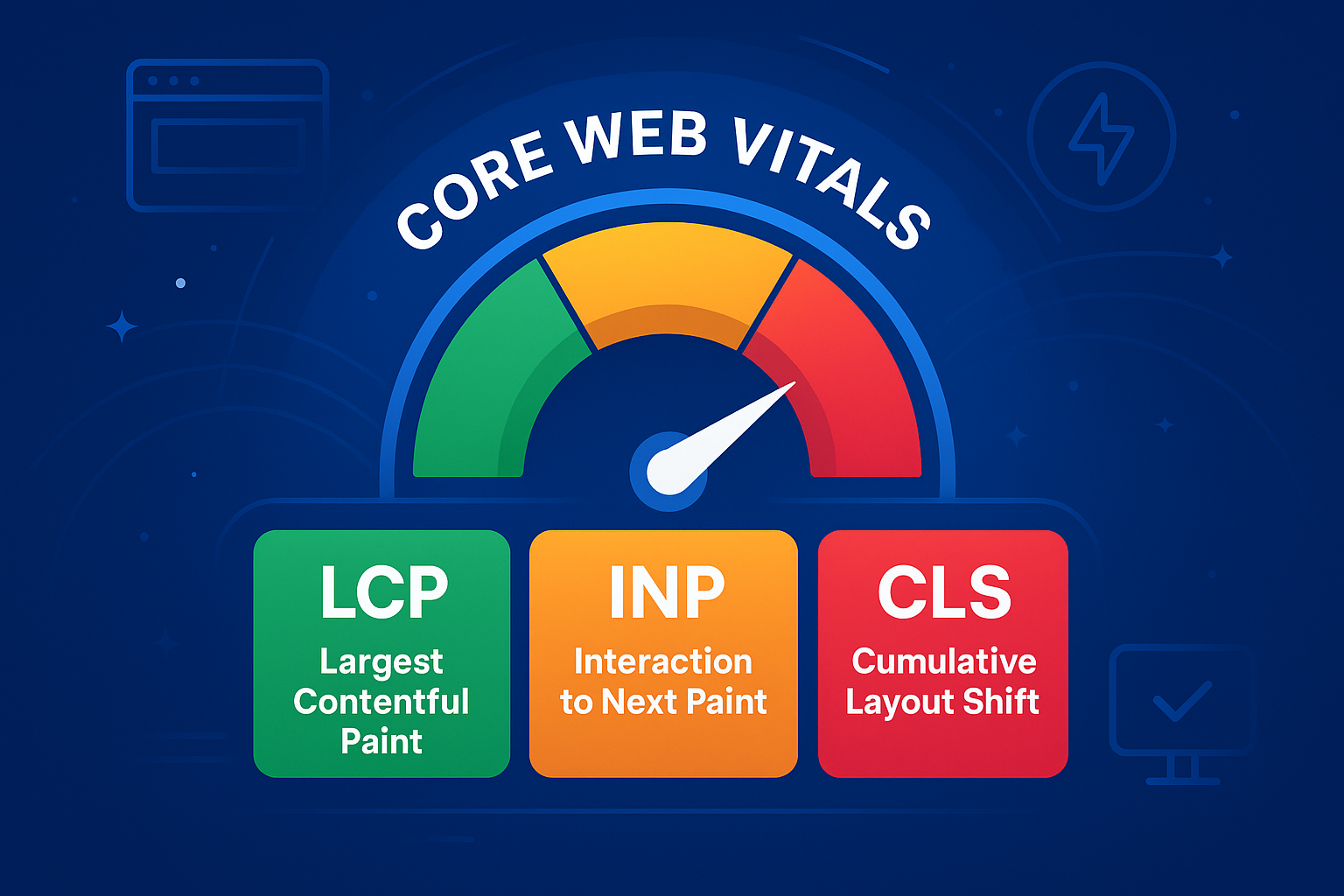
10. Core Web Vitals (LCP, INP, CLS)
- LCP: <2.5s
- INP: <200ms
- CLS: ≤0.1
- Pro Tip: Optimize fonts, reduce JavaScript blocking, and preload images.
11. Page Size
- Limit: ≤3MB
- Pro Tip: Compress CSS/JS, use lightweight themes.
12. Click Depth
- Limit: 3–4 clicks from homepage max
- Pro Tip: Improve crawlability with breadcrumbs and flat site structure.
13. Keyword Density
- Limit: 1–3%
- Why it matters: Prevents keyword stuffing.
- Pro Tip: Maintain natural keyword flow by using primary + secondary keywords smartly.
14. Content Length
- Limit: ≥300 words; ideal 1,200–2,000 for blogs
- Pro Tip: Longer content with value tends to rank higher, but only if it maintains readability.
15. Internal Linking
- Limit: 100–150 links per page
- Pro Tip: Link contextually to important service/product/blog pages.
16. Outbound Links
- Best practice: Use only high-authority, relevant sources. Because if you use low authority site google also think you site also spammy site .
17. Schema Markup
- Include: FAQ, How-to, Product, Local, Article, etc.
- Pro Tip: Schema increases chances of rich snippets.
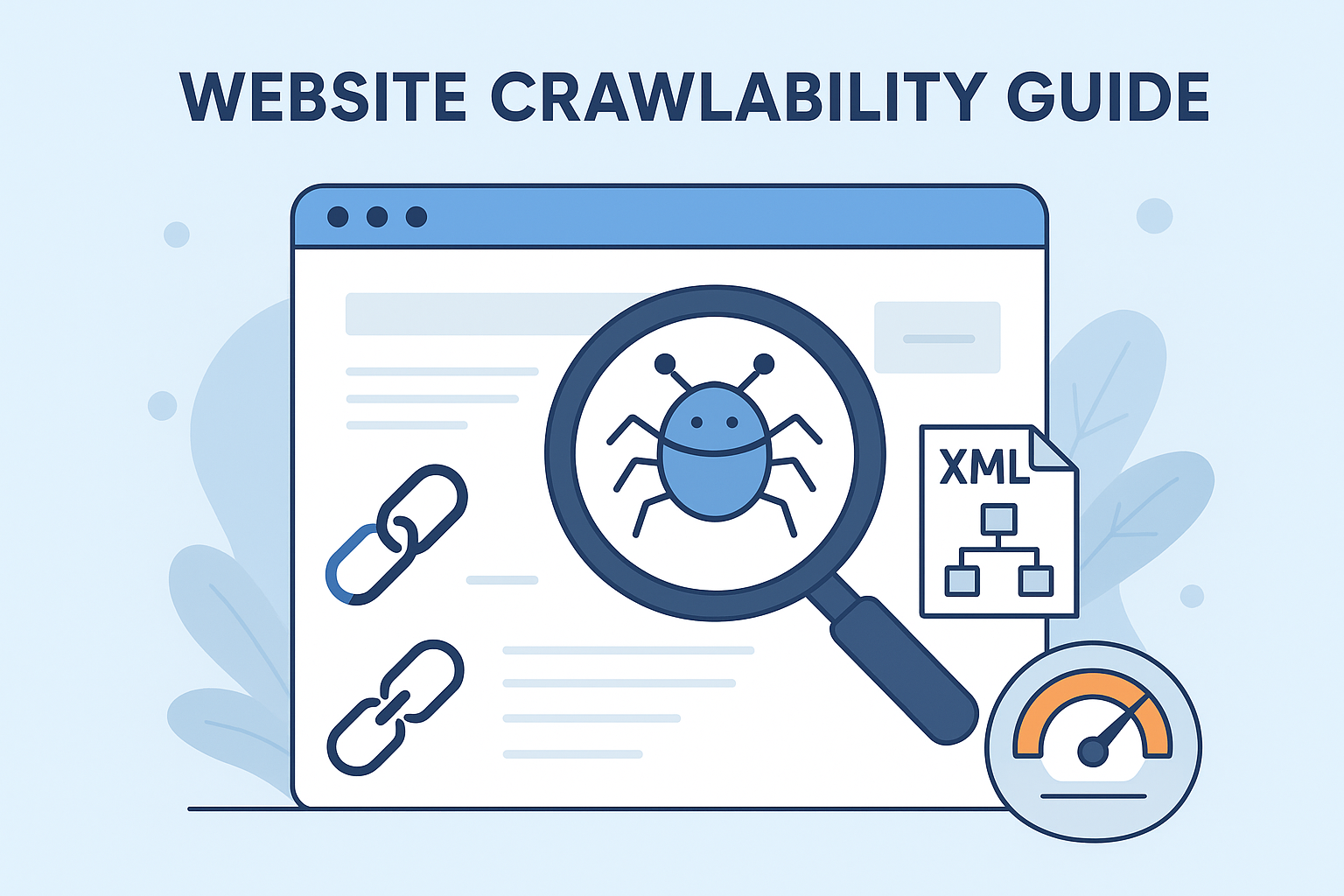
18. Crawl Limit & Files
- Crawl limit per page: ≤15MB
- Robots.txt: ≤500KB
- Sitemap: 50MB, 50,000 URLs
- Disavow file: 2MB, 100,000 URLs
19. E-E-A-T Signals
- Experience, Expertise, Authority, Trust
- Pro Tip: Add author bios, credentials, case studies, and trustworthy external references.
20. Readability
- Limit: Grade 6–8 level (short sentences, bullets, visuals)
- Pro Tip: Use simple words, subheadings, and images to break text.

Expert Tips to Follow On-Page SEO in 2025
✅ Focus on content quality + technical limits
✅ Optimize for mobile-first indexing
✅ Maintain fast loading & Core Web Vitals
✅ Use semantic keywords (LSI) to avoid repetition
✅ Update old content with the latest SEO guidelines
FAQs on On-Page SEO Limits 2025
Q1. What is the ideal meta title length in 2025?
The meta title limit is 60 characters for and better use 50 -60 characters.
Q2. How many words should an SEO blog have in 2025?
If you want to rank in top of serp Google is always recommends 1,500–2,000 words plus for blogs to provide depth and satisfy user intent.
Q3. What is the best keyword density for SEO?
Maintain 1–2% keyword density to balance optimization and readability.
Q4. How do Core Web Vitals affect SEO?
It should be mainly focusing on the speed of websites and mobile friendly ,Core Web Vitals (LCP, INP, CLS) directly affect rankings and user experience, making them a top priority in 2025.
Q5. What is the maximum page size allowed for SEO compliance?
Google suggests keeping your page size under 3MB for faster load times and better crawlability.
Conclusion
The On-Page SEO Limits 2025 set by Google are designed to improve user experience, content quality, and search relevance. By following these guidelines—optimizing your titles, descriptions, content length, internal linking, and Core Web Vitals—you’ll boost your chances of ranking on the first page of Google.
Implement these best practices on your website today to future-proof your SEO strategy.


Pingback: Social Bookmarking for SEO: Boost Traffic & Rankings