Introduction
AI in Digital Marketing :Since the dawn of the digital marketing era, the industry has grown alongside technology. In the beginning, we had banner ads. Then came SEO, later PPC campaigns, and social media marketing. Each change was an evolution. Presently, AI serves as the most instantaneous transformer of changes.
AI is not just a tool but a concept that changes the process by which brands communicate with their customers, carry out iterative campaigns, understand data, and create a personalized experience. Any marketer from a small marketeer advertising on Facebook to a publisher allocating millions for Google Ads can name a few AI tools that help them to make smarter, faster, and more profitable decisions.This guide will take you through an in-depth analysis of AI for digital marketing-from its applications, benefits, and challenges to its future trends.

What is AI in Digital Marketing?
AI in digital marketing means using smart machines to make marketing better. Instead of humans doing everything, AI can:
- Read lots of data in seconds.
- Guess what customers want.
- Create ads and posts.
- Chat with people online.
For example:
- Chatbots answer questions all day and night.
- Netflix shows movies you may like using AI.
- Google Ads uses AI to choose the best time to show ads.
AI makes marketing faster, smarter, and more personal.
Why AI Matters in Digital Marketing
Today, people see thousands of ads every day. It is hard to grab attention. AI helps because it can:
- Personalize ads – show the right ad to the right person.
- Predict behavior – know what customers may buy.
- Work in real time – change ads based on what is happening.
- Improve experience – with chatbots and quick answers.
- Save money – no wasted ads.
AI changes marketing from guessing to knowing.
How AI is Used in Digital Marketing
1. AI in SEO (Search Engine Optimization)
SEO means making websites rank on Google. AI helps with:
- Finding the best keywords.
- Understanding what people search for.
- Making content easy to read.
- Preparing for voice search (“Hey Google, find…”).
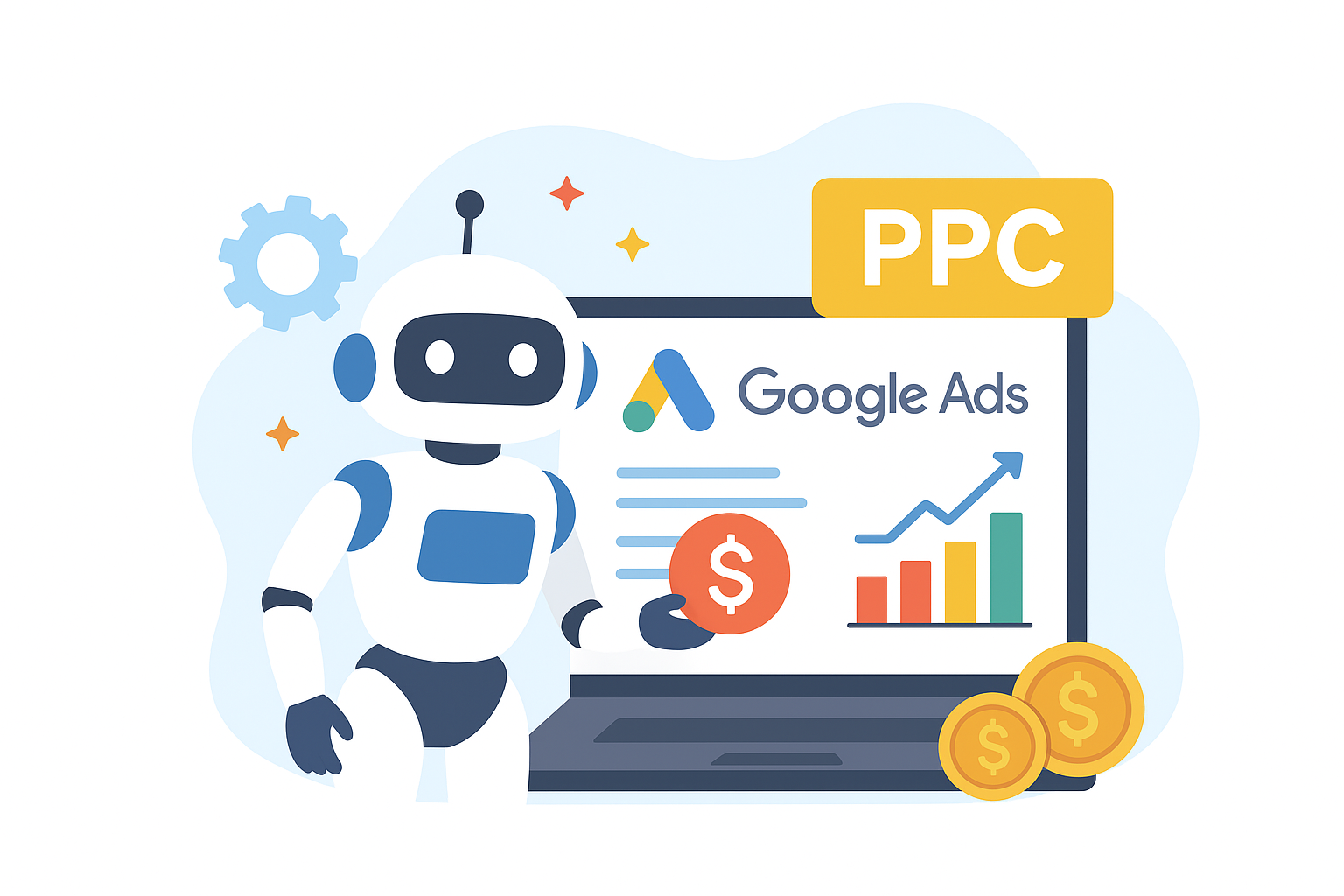
2. AI in PPC Ads (Pay-Per-Click)
AI is big in Google Ads and Facebook Ads. It helps with:
- Smart Bidding – spending money in the best way.
- Ad Writing – AI gives headline and text ideas.
- Targeting – showing ads to the right audience.
- Fraud Check – stopping fake clicks.
This gives better ROI (Return on Investment).
3. AI in Social Media
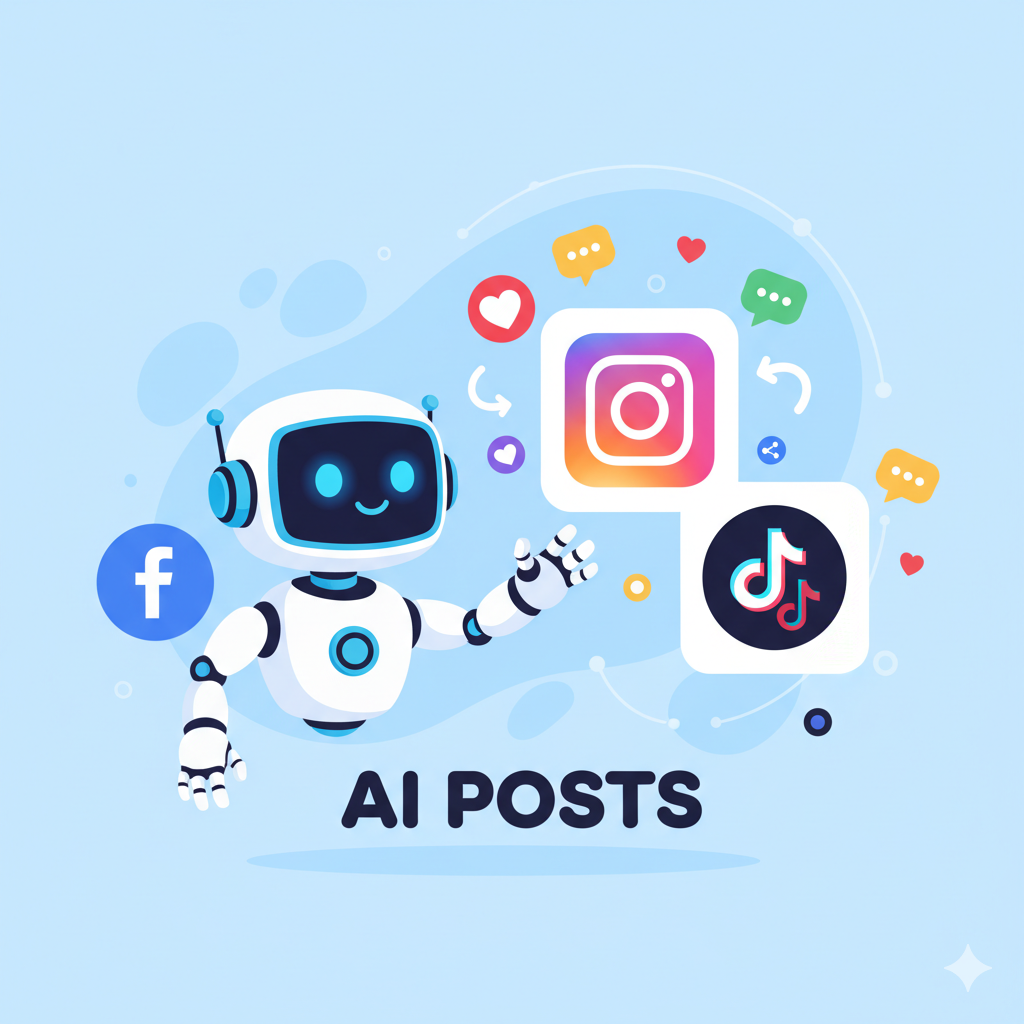
AI runs Facebook, Instagram, TikTok, and YouTube.
- Decides what posts you see.
- Tracks what people feel about brands.
- Finds the right influencers.
- Shows ads to people who may buy.
Without AI, social media would not work.
4. AI in Content Marketing
Content is king. AI makes it smarter.
- AI tools write blog drafts.
- AI shows trending topics.
- AI designs images and videos.
- AI personalizes posts for each user.
This makes content faster and better.
5. AI in Email Marketing
Emails are still strong. AI helps by:
- Writing better subject lines.
- Sending emails at the best time.
- Splitting people into groups.
- Testing many versions of emails.
This means more opens and more sales.
6. AI in Customer Relationship Management (CRM)
CRM means keeping track of customers. AI-powered CRMs can:
- Score leads (who is most likely to buy).
- Predict customer value.
- Use chatbots for support.
- Map the full customer journey.
This makes customers happy and loyal.
7. AI in Data and Analytics
Marketing creates tons of data. AI can:
- Guess future sales.
- Show live reports.
- Spot market trends.
- Find out which ad or channel worked.
With AI, data is no longer boring—it gives actionable ideas.
Benefits of AI in Marketing
- Ads reach the right people.
- Campaigns change automatically.
- Customers get personal experiences.
- Saves money on wrong ads.
- Easy to grow campaigns.
Problems of AI in Marketing
AI is not perfect. Some challenges are:
- Privacy issues – using customer data carefully.
- High costs – some AI tools are expensive.
- Too much automation – humans are still needed.
- Bias – AI can make unfair choices.
- Learning curve – teams need training.
Future of AI in Marketing
AI will grow even bigger. In the future, we will see:
- Super personal ads for each person.
- More voice and image searches.
- AI predicting full customer journeys.
- AR + AI for trying products online.
- AI designing creative campaigns.
The future is data + AI + creativity.
Best AI Tools for Marketing
- Chatbots – Drift, Intercom, ManyChat.
- SEO Tools – SEMrush, Surfer SEO, Clearscope.
- Content Tools – Jasper, Copy.ai, Grammarly.
- Email Tools – HubSpot, Mailchimp AI.
- PPC Tools – Google Smart Bidding, Adzooma.
- Analytics – Google Analytics 4, Tableau.
Tips for Using AI in Your Business
- Start small with one tool.
- Collect clean and good data.
- Use AI + human creativity together.
- Keep testing and improving.
- Stay updated because AI changes fast.
Conclusion
AI is not the future—it is already here. It is changing SEO, PPC, social media, email, and customer service. Businesses that use AI will grow faster. Those that ignore it may fall behind.
For marketers, AI is like a superpower: it saves time, increases sales, and keeps customers happy.
FAQs
Q1: What is AI in digital marketing?
It means using smart computer tools to run ads, write content, send emails, and help customers.
Q2: Will AI take over marketing jobs?
No. AI helps with boring tasks, but humans are needed for ideas and strategy.
Q3: What are the best AI tools?
Some are Jasper, SEMrush, HubSpot, and Google Ads Smart Bidding.
Q4: Is AI too costly for small businesses?
Some tools are free or cheap. Small businesses can start small.
Q5: How does AI help in ads?
AI shows ads to the right people, saves money, and brings more sales.
Q6: What is the future of AI in marketing?
More personal ads, voice search, and creative campaigns made by AI.