Introduction
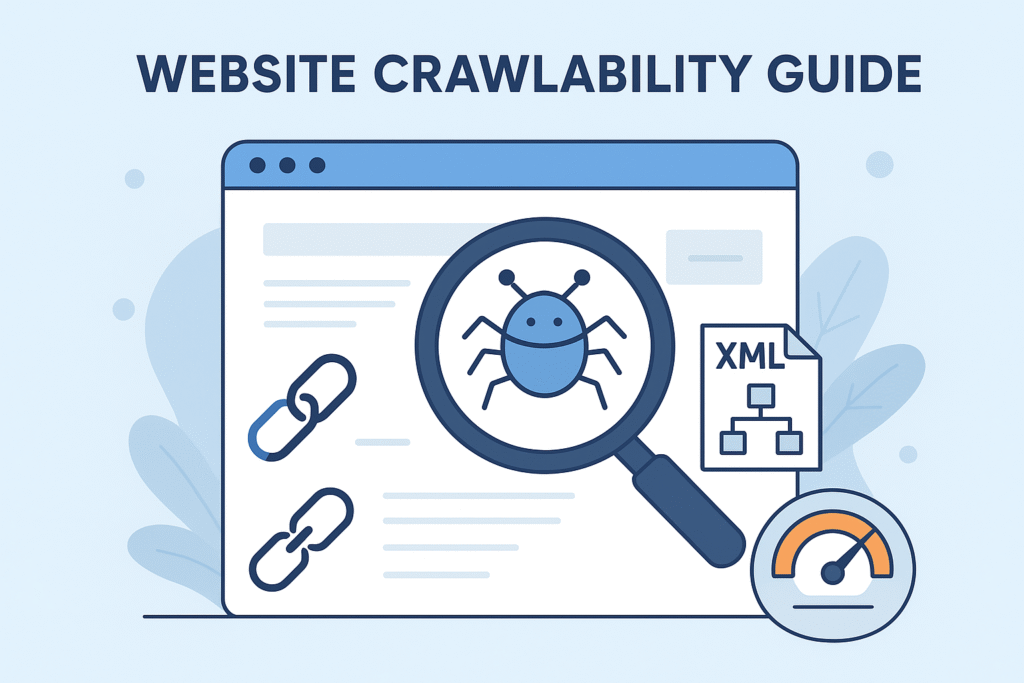
Website Crawlability : When it comes to search engine optimization (SEO), visibility is the key. You can set up the best website in the world, building the most valuable set of content from scratch, but if the search engines cannot crawl and index your web pages correctly, then these cannot be found by your target audience. Crawlability is therefore a very significant factor.
It denotes the respect for how easily search engine bots (aka crawlers or spiders) can find, go over, and make out your web pages. Consider it the base of SEO; without strong crawlability, it is almost impossible to get a good rank in search results.
In this article, we will learn about actionable steps to improve the crawlability of your website supported by proven SEO methods. So practical insights will be shared in each step of the way: from internal linking issues to broken link fixes.
By the end of this, you should know how crawlers work and have a step-by-step plan ready to ensure that your website is in friendly crawl conditions, indexable, and well on the way to pay off on Google rankings.
Why Crawlability Matters
Before initiating any tactics, let us first understand why crawlability is such an important factor for a good SEO ranking.
- Search engines can never rank a non-crawlable page—if its Googlebot fails to crawl it, such a page would never get recorded in their search index.
- Crawling should be efficient so that the crawl budget is not wasted off– The search engines allot some limited resources (crawl budget) to each site, and defective crawl structures, duplicated content, or broken links squander that crawl budget.
- Fast indexing through easily crawlable content- The easier it is for crawlers to access the website, the faster will be the indexing of new content.
- Stay on top of customer experience because PDF crawlability attributes- speed, navigation, clean structure- directly enhance usability and customer retention.
1. Optimize Internal Linking Structure
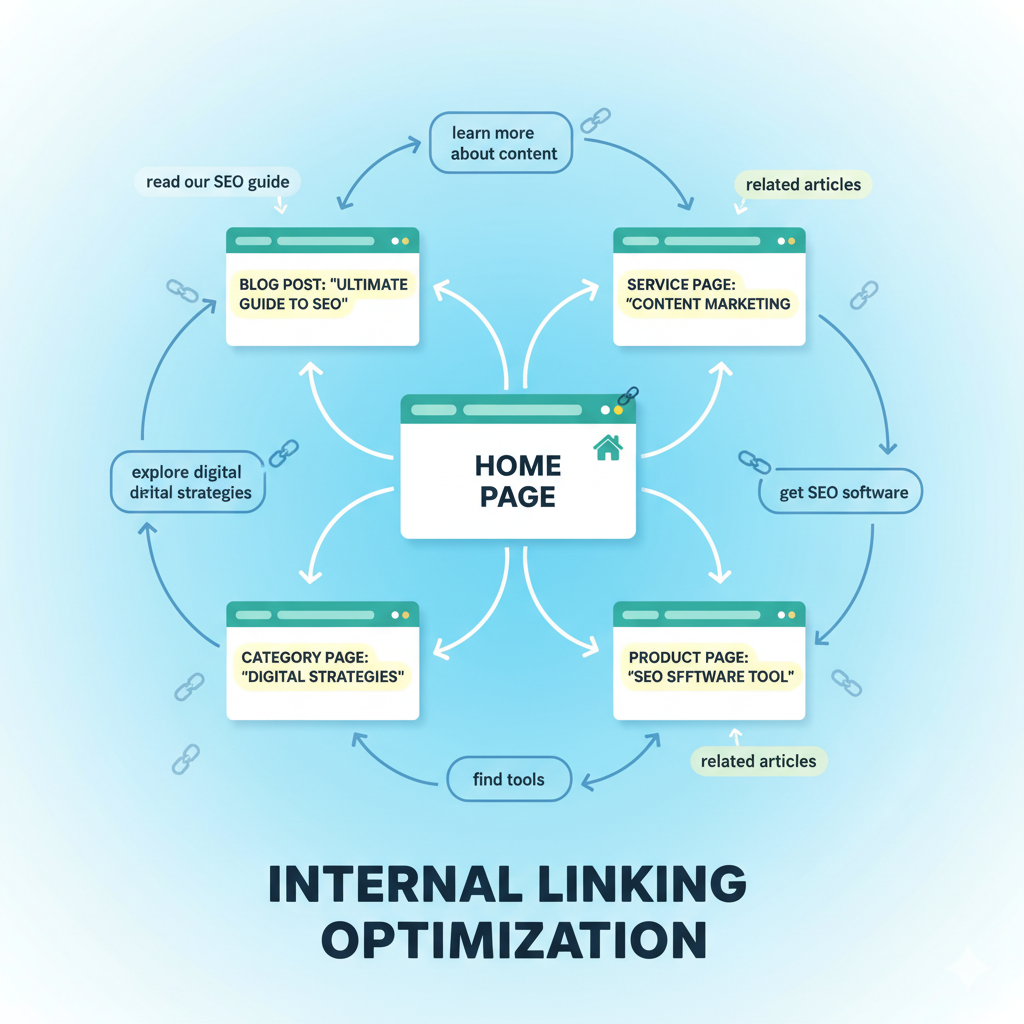
Internal linking is the backbone of a crawlable site. Search engines discover new content by following links. Without proper internal linking, important pages might remain hidden.
Best Practices for Internal Linking:
- Link from high-authority pages – Use pages with high traffic and authority to pass link equity to new or important pages.
- Use descriptive anchor text – Instead of generic “click here,” use keyword-rich phrases like “SEO crawl optimization guide”.
- Connect related content – Blog posts, product pages, and category pages should interlink naturally.
- Avoid orphan pages – Ensure every page has at least one internal link pointing to it.
2. Use Robots.txt Wisely
The robots.txt file is a powerful tool, but misconfigurations can either block critical pages or expose sensitive ones.
Robots.txt Best Practices:
- Allow access to important pages (products, services, blogs).
- Block admin, login, and duplicate pages to save crawl budget.
- Regularly review your file when adding or removing pages.
- Submit robots.txt in Google Search Console.
3. Submit & Maintain an XML Sitemap
An XML sitemap acts as a roadmap for search engines, helping them quickly find your most important content.
How to Optimize XML Sitemaps:
- Keep it updated — add new pages and remove outdated ones.
- Include only indexable, high-value pages.
- Submit your sitemap in Google Search Console.
- Use separate sitemaps for images, videos, or large websites.
4. Implement Server-Side Rendering (SSR)
Modern websites often rely on JavaScript frameworks (React, Angular, Vue). While these offer great user experiences, they can make crawling difficult.
Benefits of SSR:
- Pre-rendered HTML improves crawl efficiency.
- Faster indexing since bots don’t need to process heavy JavaScript.
- Better accessibility for both search engines and users.
5. Remove Low-Quality & Duplicate Content
Search engines aim to prioritize pages that add real value. Too many thin or duplicate pages dilute authority and waste crawl budget.
Fixing Content Issues:
- Audit pages for duplicates using tools like Screaming Frog or Ahrefs.
- Use canonical tags for similar pages.
- Apply 301 redirects to consolidate duplicate URLs.
- Merge thin content into comprehensive resources.
6. Improve Website Speed
A slow website not only frustrates visitors but also limits how many pages crawlers can index in a session.
Speed Optimization Techniques:
- Compress and resize images without losing quality.
- Enable browser caching for faster return visits.
- Minify CSS, JavaScript, and HTML.
- Use tools like Google PageSpeed Insights to diagnose issues.
Consider Content Delivery Networks (CDNs) for global performance.
7. Fix Broken Links
Broken links waste crawl budget and harm user experience. Search engines hit a dead end when links lead to 404 errors.
How to Fix Them:
- Run site audits regularly with Screaming Frog or SEMrush.
- Use 301 redirects for removed or outdated pages.
- Update internal links when moving content.
Advanced Crawlability Strategies
A. Optimize URL Structure
- Use short, descriptive, keyword-friendly URLs.
- Avoid dynamic parameters where possible.
- Keep consistency in slashes, hyphens, and lowercase.
B. Manage Crawl Budget Effectively
- Block unnecessary pages (tags, archives, filters).
- Consolidate similar pages.
- Ensure only valuable URLs remain crawlable.
C. Use Structured Data
Schema markup helps search engines understand content context better, improving crawl efficiency.
D. Mobile-First Indexing
Ensure your site is mobile-friendly, as Google primarily crawls the mobile version of your site.
Common Crawlability Mistakes to Avoid
- Blocking the entire site accidentally in robots.txt.
- Forgetting to update sitemap after content changes.
- Relying only on JavaScript without SSR.
- Keeping duplicate or thin content live.
- Ignoring broken links for months.
Tools to Audit & Improve Crawlability
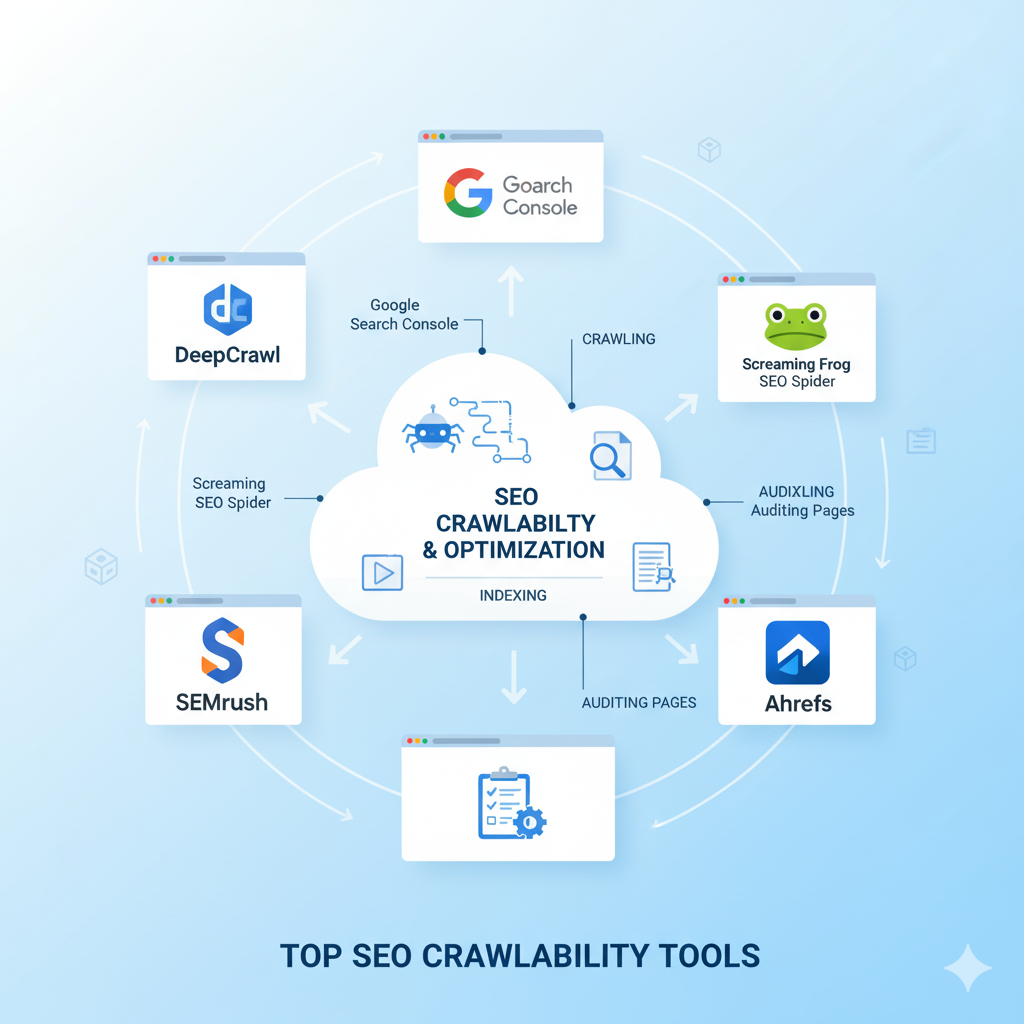
- Google Search Console –here we can check the crawling , indexing ,performance of pages and core webvitals etc.
- Screaming Frog SEO Spider – here we can Identify the crawl errors, broken links, duplicate content, in your website.
- Ahrefs & SEMrush –by using these tools we can do different things like keywords find, seo audit and etc..
- DeepCrawl – Enterprise-level crawling tool for technical SEO.
Conclusion
Improving crawlability for a site is not merely a technical SEO aspect but should also be considered an SEO strategy for building long-term value. Building search engine trust in finding, navigating, and understanding your content is the key to building higher rankings, organic traffic, and good user experience.
From interlinking and robots.txt setup, XML sitemap submission, and speed improvements to fixing broken links, all steps are crucial for awarding your website some advantages toward better search rankings.
Remember: A crawlable website is an indexable website. And an indexable website is one step closer to being a rankable website.