
Introduction
Google Ads Bidding Strategy : Running Google Ads is not merely about setting-up campaigns and waiting for clicks to arrive. Your bidding strategy engenders success-or-failure; how you choose to spend your money, whom you target, and what optimization method you select are key. Having been in the content marketing and performance advertising game for over 20 years, I have witnessed brands waste millions due to a one-size-fits-all bidding strategy..
Here’s the truth: Every industry has a different bidding game.
E-commerce, SaaS, real estate, B2B services, and hospitality areas all require bidding strategies of their own. If you try to apply the same formula across industries, you’ll either overspend or fail to scale profitably.
In this article, we’ll break down Google Ads bidding strategies industry by industry, explore real-world tactics, and share pro tips to maximize ROI.
Why Bidding Strategy Matters
Before diving into industries, let’s address the core question: Why not just pick “Maximize Conversions” and let Google do the work?
Because your:
- Goals differ : there are different type of goals are there like (sales, leads, trial sign-ups, calls, bookings).
- Audience behaviors vary audience behaviour different from everyone like(impulse shoppers vs. long-cycle B2B buyers).
- Conversion values fluctuate (a 50 T-shirt sale ≠ a 5,000 SaaS subscription).
That’s why a custom bidding strategy is essential.
Example:
- An e-commerce brand selling shoes may optimize for ROAS (Return on Ad Spend).
- A local plumbing business should optimize for Target CPA (cost per lead).
Core Google Ads Bidding Options
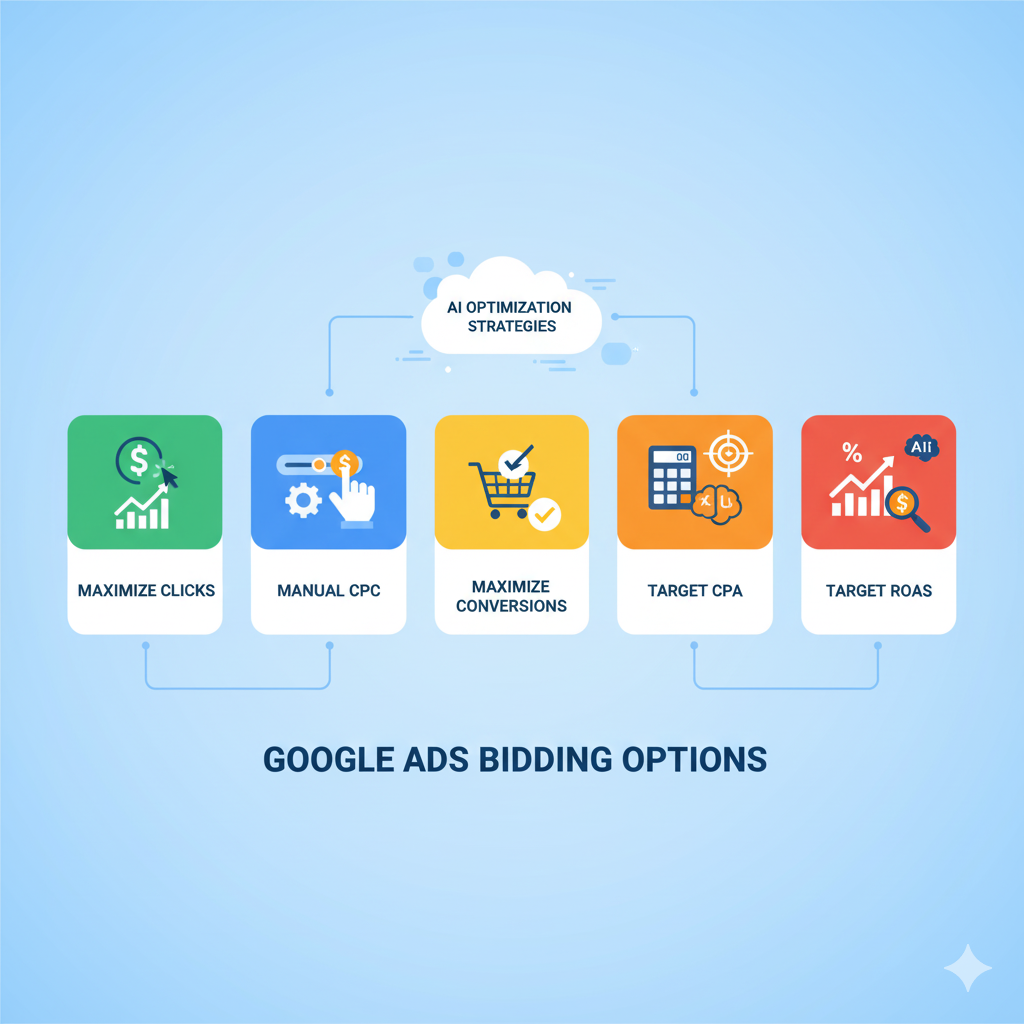
Before industry breakdowns, here are the main bidding strategies you’ll use:
- Maximize Conversions – Google finds users most likely to convert. Best for new campaigns.
- Target CPA (Cost per Acquisition) – Ideal for lead generation.
- Target ROAS (Return on Ad Spend) – Perfect for e-commerce and high-ticket sales.
- Maximize Clicks – Useful in early testing, not for scaling.
- Manual CPC – Good for control freaks, but AI usually outperforms it now.
- Maximize Conversion Value – For industries with varying purchase values.
Industry-Specific Bidding Strategies
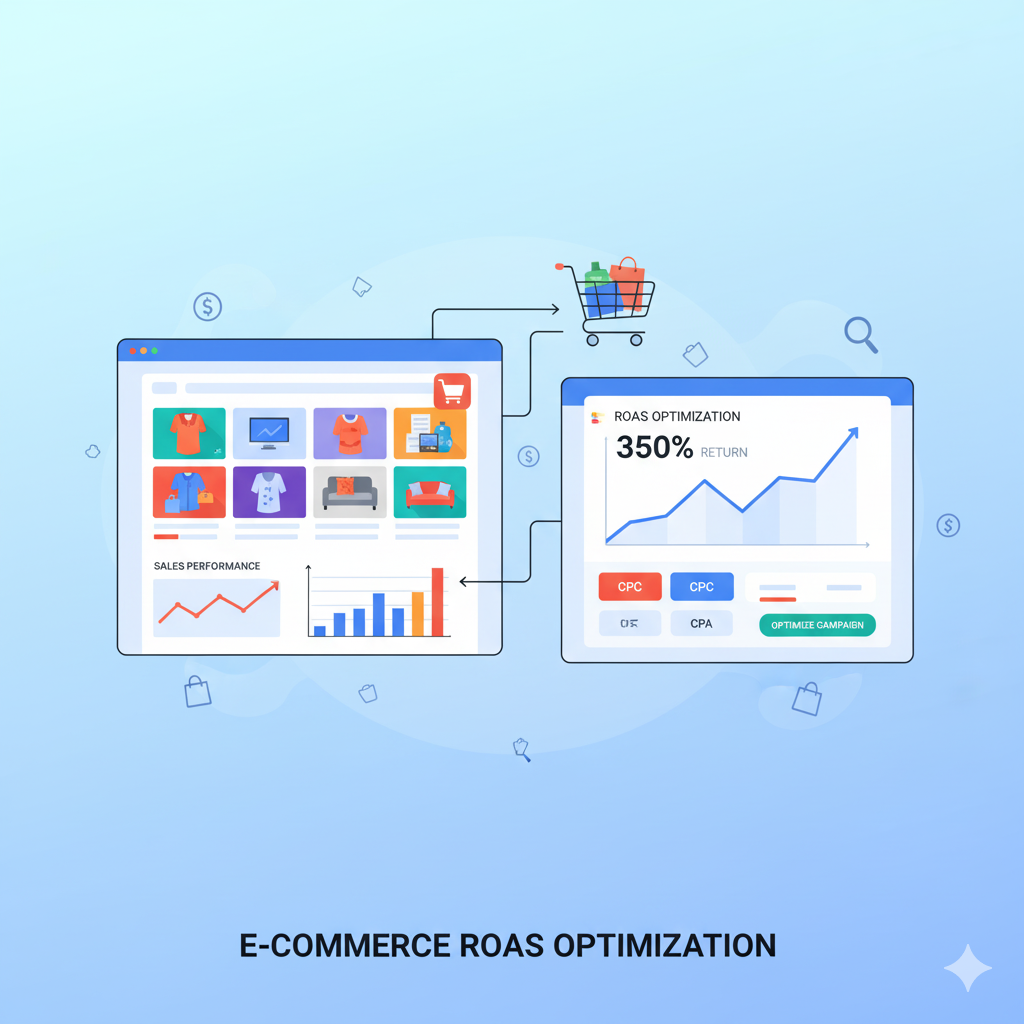
1. E-Commerce Bidding Strategy
- Goal: Maximize conversions and ROAS.
- Best Campaigns: Performance Max, Standard Shopping, Dynamic Search Ads (DSA).
- Bidding Approach:
- Start with Maximize Conversions to build data.
- Scale with Target ROAS once you know your break-even ROAS.
- Start with Maximize Conversions to build data.
- Pro Tip: Optimize your product feed (titles, descriptions, images). A clean feed increases ad rank and click-through rate.
Example:
If your profit margin is 30%, set a Target ROAS of 300%. This ensures you spend ₹1 and earn ₹3 in return.
2. Local Service Businesses
- Goal: Generate high-quality local leads (calls, form fills, service bookings).
- Best Campaigns: Search, Local Service Ads (LSAs), Call-only ads.
- Bidding Approach:
- Start with Maximize Conversions.
- Shift to Target CPA once cost per lead stabilizes.
- Start with Maximize Conversions.
- Pro Tip: Use geo and time-based bid adjustments. For example, a pest control service should increase bids during evenings and weekends (when homeowners search).
3. SaaS & Subscription Businesses
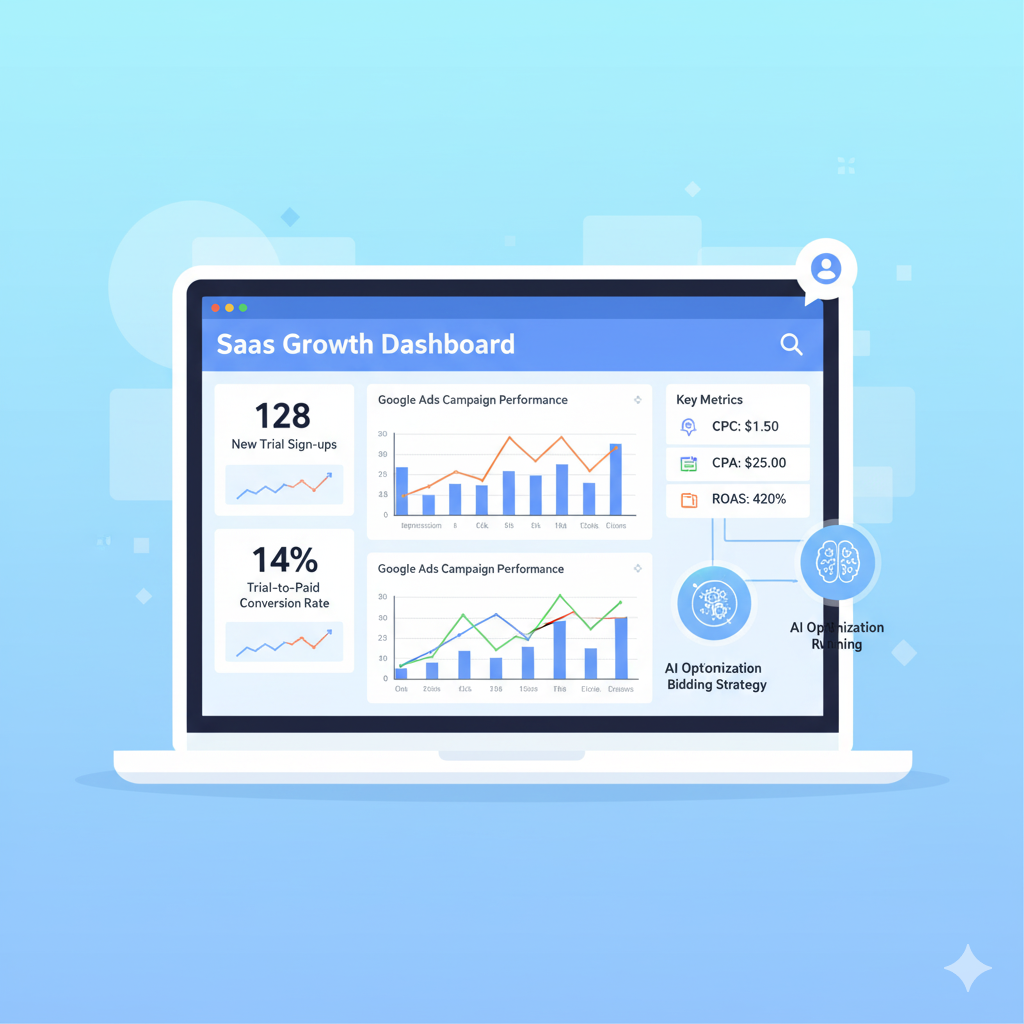
- Goal: Acquire trial users or demo sign-ups at sustainable CAC (Customer Acquisition Cost).
- Best Campaigns: Search (BOFU keywords), Display Remarketing, YouTube demos.
- Bidding Approach:
- Start with Maximize Conversions.
- Switch to Target CPA when enough data is available.
- Start with Maximize Conversions.
- Pro Tip: Track micro-conversions (like button clicks, free trial sign-ups) instead of only paid sign-ups. This gives Google more data to optimize.
4. Real Estate Businesses
- Goal: Capture motivated buyers and sellers.
- Best Campaigns: Search, Performance Max, YouTube (virtual tours).
- Bidding Approach:
- Begin with Maximize Conversions.
- Move to Target CPA for cost control.
- Begin with Maximize Conversions.
- Pro Tip: Use lead forms directly inside ads (Google Lead Form Extensions). This reduces friction and boosts lead volume.
5. B2B & High-Ticket Services
- Goal: Drive qualified leads (not just volume).
- Best Campaigns: Search, Remarketing, LinkedIn Audience Integration (via Google Ads audience manager).
- Bidding Approach:
- Maximize Conversions initially.
- Then scale with Target CPA or Maximize Conversion Value for big-ticket sales.
- Maximize Conversions initially.
- Pro Tip: Use longer lead forms. While it may reduce total leads, it filters out poor-quality ones, improving ROI.
6. Travel & Hospitality
- Goal: Drive bookings and inquiries.
- Best Campaigns: Performance Max (hotel/travel feeds), Search, YouTube.
- Bidding Approach:
- Start with Maximize Conversions.
- Scale with Target ROAS, especially during seasonal demand peaks.
- Start with Maximize Conversions.
- Pro Tip: Increase bids ahead of peak travel seasons (summer, festivals, long weekends).
Universal Pro Tips for Any Industry
No matter your business, these strategies apply:
Use Negative Keywords – Prevents wasted ad spend on irrelevant clicks.
Segment Campaigns by Intent – Separate high-intent vs. research-stage searches.
Test Ad Copy Frequently – Update every 2 weeks to avoid “ad fatigue.”
Leverage Audience Signals – Helps Google learn faster in PMax and Display campaigns.
Track the Right Conversions – Don’t just measure clicks; measure sales, calls, or sign-ups.
Common Mistakes in Google Ads Bidding
- Switching bidding strategies too early – Give Google’s AI at least 2–3 weeks of stable data.
- Ignoring profit margins – A ROAS of 200% may look good but could mean losses if your margin is <50%.
- Not segmenting by device/location – Mobile vs. desktop CPCs vary. Always test.
Over-relying on broad match keywords – Leads to wasted clicks without proper negative keywords.
FAQs on Google Ads Bidding Strategy
Q1: What is the best bidding strategy for beginners?
Start with Maximize Conversions until you gather enough conversion data. Then move to Target CPA or Target ROAS.
Q2: How long should I test a bidding strategy?
At least 2–3 weeks or until you have 30+ conversions for accurate learning.
Q3: Is manual CPC still effective?
Only for very niche industries or advertisers who want maximum control. But AI-based bidding usually wins.
Q4: Can I change my bidding strategy anytime?
Yes, but frequent changes reset Google’s learning phase. Limit major switches.
Q5: Which industries benefit most from Target ROAS?
E-commerce, travel, and luxury goods—where revenue per sale varies greatly.
Conclusion
Google Ads success is never one-size-fits-all. Your bidding strategy should match your industry’s goals, customer behavior, and profit model.
- E-commerce: Optimize for ROAS.
- Local services: Focus on CPA.
- SaaS: Track micro-conversions and scale trials.
- Real estate: Use lead forms inside ads.
- B2B & high-ticket: Prioritize quality over volume.
- Travel & hospitality: Bid higher before seasonal spikes.
Remember: Feed Google’s algorithm the right data, and it will reward you with scale.
If you apply these strategies, your ads won’t just get clicks—they’ll drive real business growth.

Pingback: 7 Types of SEO Keywords You Must Know Grow organic traffic.